Have you ever considered how the simple act of
cleaning your HVAC system could benefit the environment? Beyond just
improved air quality inside your building, the broader ecological impacts are profound. From reducing energy consumption to minimising hazardous emissions, this blog delves into how keeping your HVAC clean is a key step toward a more sustainable future.
Lower Energy Consumption: How Clean HVAC Systems Save Power
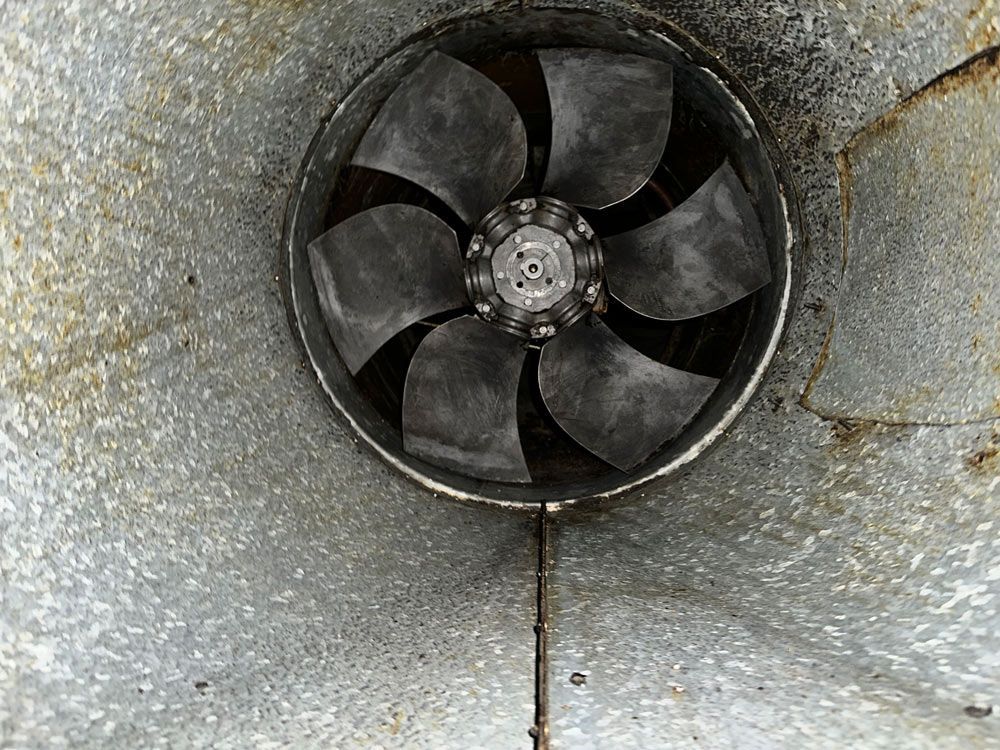
A primary benefit of keeping your HVAC system clean is the significant reduction in energy consumption. When ductwork and filters are clogged with dust and debris, your system has to work harder to circulate air, leading to increased energy use. By ensuring these components are clean, your HVAC doesn’t strain itself and thus consumes less power. This reduces your electricity bills and decreases the carbon footprint associated with energy production. Regular cleaning can result in a smoother, more efficient operation that supports a healthier environment.
Moreover, clean systems are less likely to need frequent cycling to maintain desired temperatures, which further conserves energy. This efficiency is crucial in minimising the operational impact of HVAC systems on the environment. By maintaining clean air paths and components, you can ensure your system uses only as much energy as is necessary.
Enhancing Air Quality: The Clear Benefits of Regular HVAC Cleaning
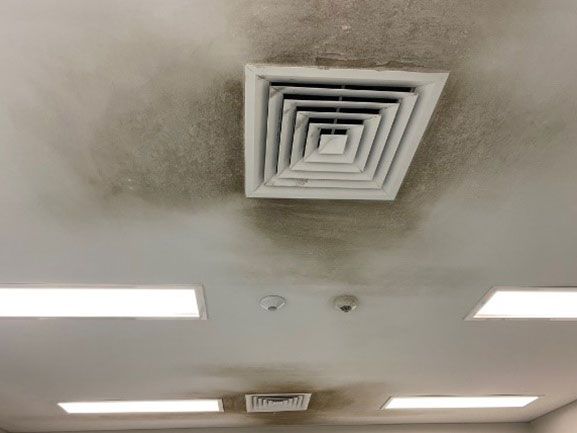
Regular HVAC cleaning directly impacts indoor air quality by removing potential pollutants and allergens from air paths. This means fewer airborne contaminants are circulated within your space. For those sensitive to pollutants, a clean HVAC system can make a significant difference in reducing allergic reactions and respiratory issues.
On a larger scale, improved air quality means reduced reliance on air purifiers or additional systems that consume energy. Cleaner air indoors reduces the need for these energy-intensive solutions, aligning with sustainable living practices that benefit the environment at large.
Fire Risk Reduction: Safety and Environmental Benefits of Clean Ducts
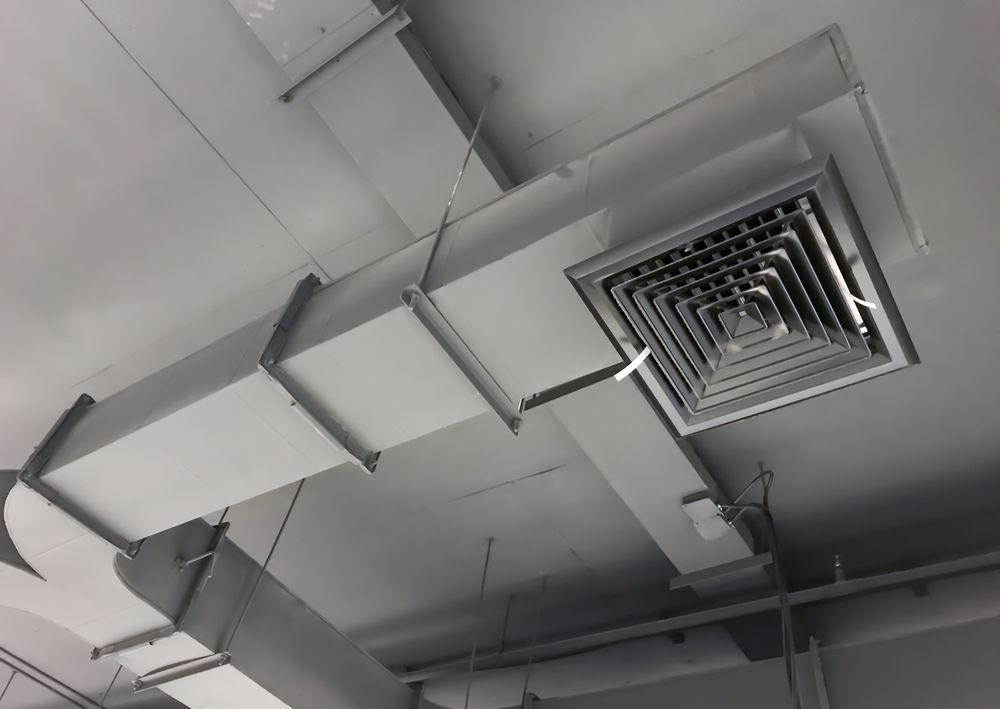
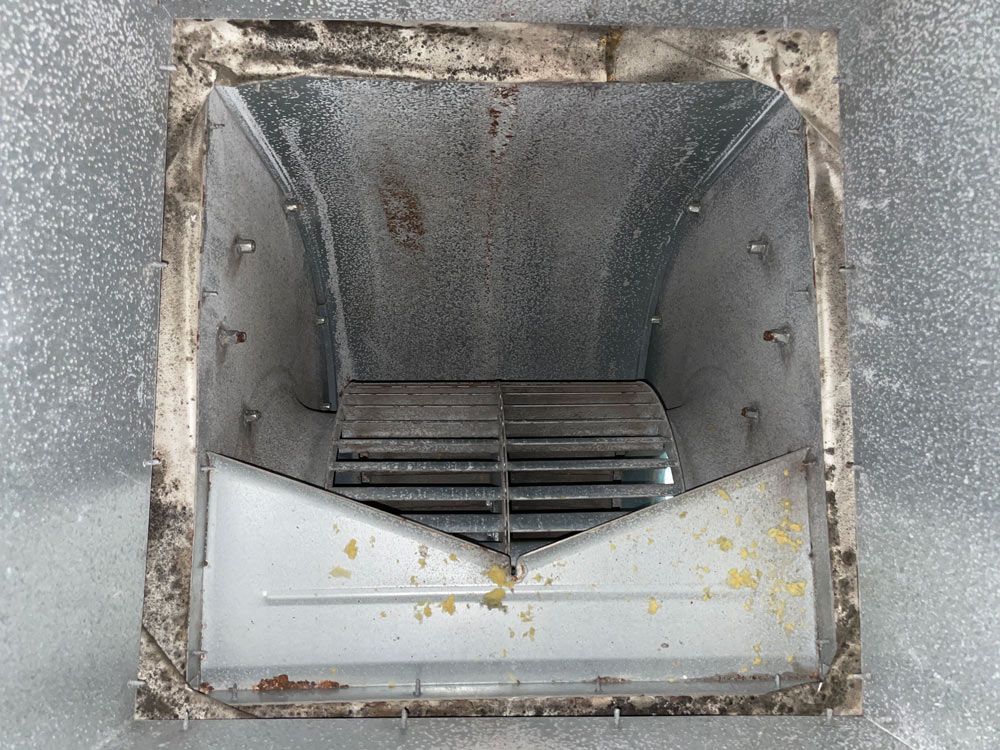
One often overlooked aspect of HVAC maintenance is the role it plays in fire risk reduction. Accumulated lint and debris in ductwork are potential fire hazards. By ensuring these are regularly cleaned, the risk of fire can be reduced, which protects your property and prevents the emission of pollutants from burning materials.
Additionally, cleaner systems are less likely to overheat, reducing the risk of mechanical failures that could lead to fires. This proactive approach enhances safety and conserves the resources that would be needed to combat and recover from fire damage, aligning with environmental conservation efforts.
Decreasing HVAC Maintenance Emissions: The Environmental Gain
Every time HVAC systems are serviced or replaced, there’s a potential release of refrigerants, which are potent greenhouse gases. By maintaining systems in clean, optimal condition, the frequency of major repairs and coolant leaks can be reduced. This directly contributes to lowering the overall greenhouse gas emissions associated with HVAC maintenance.
Moreover, regular cleaning and maintenance can help detect smaller issues before they become significant problems. It can help avoid the extensive use of harmful chemicals and materials that might otherwise be required for large-scale repairs or replacements.
Extending Equipment Lifespan: Reducing Waste with Clean HVAC Systems
Maintaining a clean HVAC system also contributes to a longer lifespan for your equipment. By preventing the buildup of debris and ensuring all components are functioning efficiently, the stress on the system is minimised. This leads to fewer breakdowns and reduces the frequency of equipment replacement.
The environmental benefit here is substantial; by extending the life of HVAC systems, the waste associated with disposing of old systems and manufacturing new ones is significantly reduced. This practice supports sustainability by minimising landfill waste and the demand for new raw materials.
Preventing Biological Contaminants: Cleaner Air and Healthier Ecosystems
A clean HVAC system helps prevent the spread of biological contaminants such as mould, bacteria and viruses. These contaminants can harm your health and affect the broader ecological systems if they’re vented outside. Clean systems ensure that air released into the environment is free of harmful biological agents, supporting the health of local ecosystems around our homes and workplaces.
Additionally, by maintaining hygiene in our HVAC systems, we reduce the need for chemical disinfectants and cleaners that might otherwise be used to manage contaminant outbreaks. It also contributes to a healthier environment.
Take Action for a Greener Future with Regular HVAC Cleaning
By choosing to maintain your HVAC systems, you are making a commitment to the broader goal of environmental sustainability. At Efficient Hygiene Services, we are dedicated to contributing to a healthier environment by providing high-quality HVAC cleaning services in Brisbane. Contact us to maintain your HVAC system in top condition.
Our team understands the unique challenges encountered during aircon cleaning in Brisbane and can provide tailored solutions for your needs. Ensure your systems contribute to our shared goal of creating a cleaner, healthier world. Let’s work together to make our world a greener place.
Find Efficient Hygiene Services here.