
Book a Free, Same-Day Quote
Thank you for contacting us.
We will get back to you as soon as possible.
Please try again later.
Split System Air Conditioner Cleaning
- No Call-out Fee
- Free Assessment
- IICRC Certified
- Fully Insured & Police Checked
Why Business & Government Choose Efficient Hygiene Services
100% Customer Satisfaction
All Works Meet Australian Standards
Heavy Investment In Premium Equipment
Real Results, Proven Success
10+ Years of Experience
Meticulous Attention To Detail
Optimise Your HVAC System
There are many ways to clean your
HVAC system, but only a professional service can provide you with the best results. At
Efficient Hygiene Services, we can clean out split and cassette air conditioners across Brisbane, Maryborough, the Gold Coast, Sunshine Coast and South East Queensland. We take on jobs for
commercial and industrial clients.
By maintaining a regular cleaning schedule, you can keep your cassette and/or split system air conditioners functioning optimally all year round. This can help reduce energy costs, as well as ensure the air circulating within your property is clean.
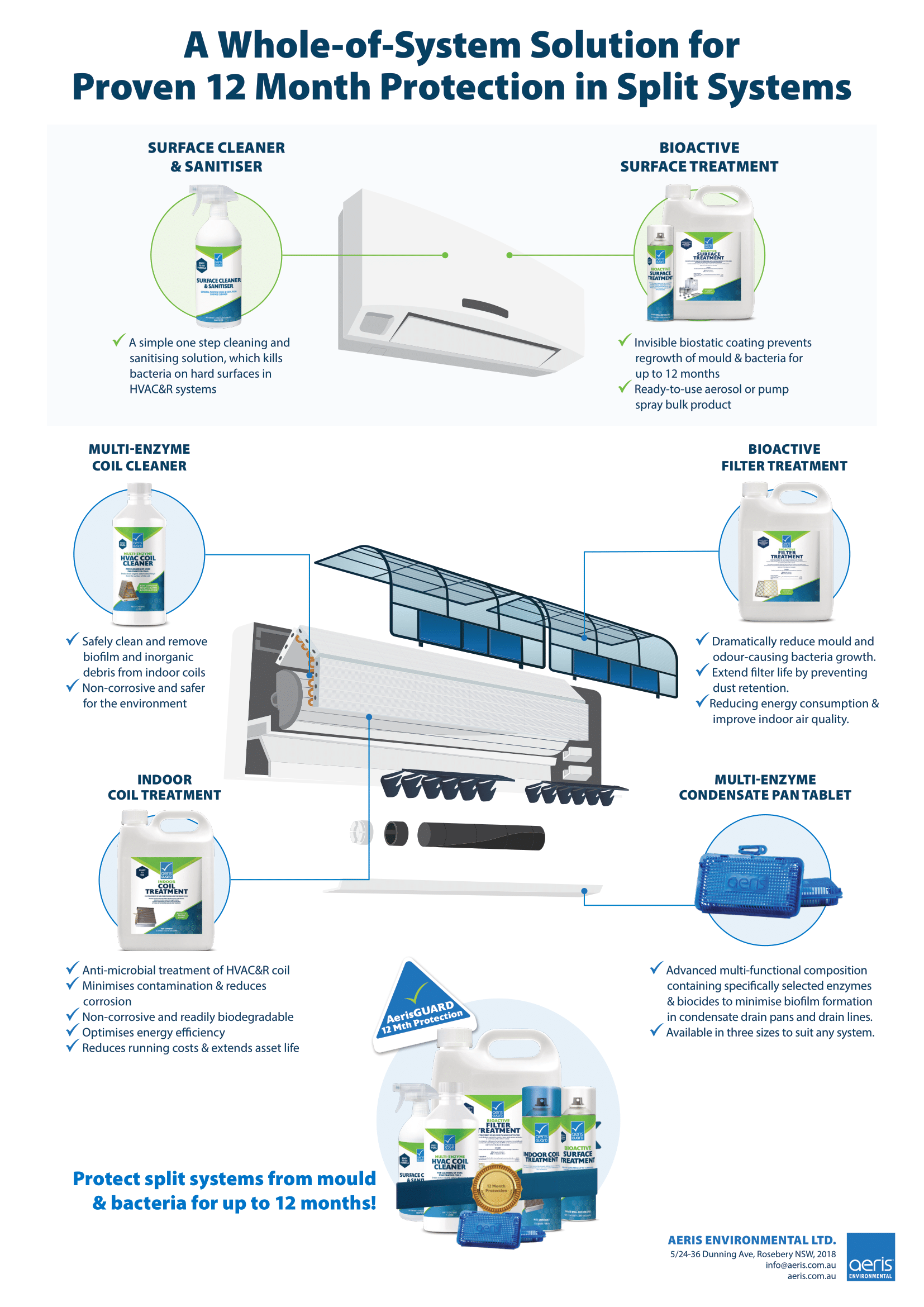
Our professionals can clean all components – including exterior casings, directional louvres, drip trays, cooling coils and supply air fans.
Working in line with
Australian Standards 3666.2:2011, you can count on us to deliver outstanding results.
Contact our air conditioner cleaners in South-East Queensland and NSW today.

Complete Guide to Split System Air Conditioner Cleaning: Professional Techniques for Optimal Performance
Introduction
Clean, efficient Split System Air Conditioner systems make a noticeable difference—better comfort for staff and visitors, fewer service disruptions, and far lower energy bills. At
Efficient Hygiene Services, we’ve seen well-maintained systems run up to 30% more efficiently while lasting many years longer simply because they’re cleaned properly and regularly.
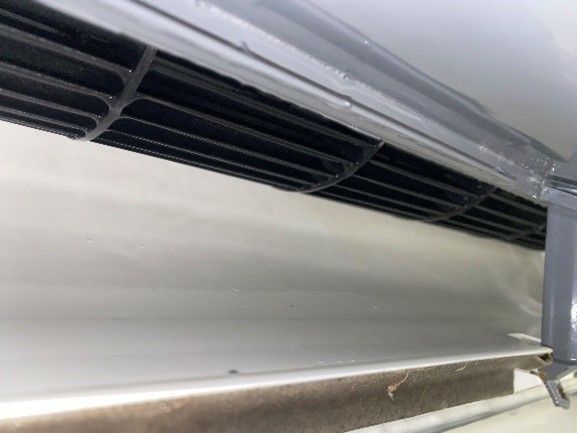
Split System Air Conditioner Cleaning isn’t just a quick rinse of the filters. It’s a structured approach that targets both the indoor and outdoor units—coils, fans, drains, filters, and housings. Without proper cleaning, dust, mould, bacteria, and debris accumulate quickly, especially in busy commercial settings or humid climates. That build-up restricts airflow, increases running costs, affects air quality, and eventually leads to breakdowns or expensive repairs.
This guide walks through everything you need to consider when maintaining a system—from DIY filter cleaning to knowing when to bring in professionals like Efficient Hygiene Services for a full deep clean.
What This Guide Covers
In this guide, we break down:
- Clear, safe DIY cleaning tasks you can manage internally
- The professional cleaning techniques used by Efficient Hygiene Services
- Common signs that your systems need expert attention
- Step-by-step processes for filters, coils, fans, and outdoor unit maintenance
- Safety precautions required before attempting any kind of cleaning
- How professional deep cleaning improves performance, efficiency, and hygiene
Whether you’re managing one split system or a large commercial building with dozens of units, you’ll find practical, actionable insights here.
Who This Is For
This guide is ideal for:
- Business owners and facilities managers
- Commercial property operators
- Landlords and strata managers
- Homeowners with split systems
- Anyone who prefers to handle basic maintenance but wants guidance on when to call in the experts
Whether you're handling routine upkeep or coordinating scheduled HVAC servicing, this resource will help you maintain efficiency, prevent issues, and reduce operating costs.
Why This Matters
Regular Split System Air Conditioner Cleaning isn’t optional—it’s essential. Without proper airflow and clean internal components, split systems work harder, consume more power, and degrade faster. Dirty coils, mould, blocked drains, and clogged filters not only restrict performance but can also compromise air quality for everyone in the building.
From our experience, routine maintenance:
- Reduces energy consumption
- Removes mould, spores, dust, and airborne allergens
- Prevents odours, leaks, and breakdowns
- Keeps cooling and heating consistent
- Extends the lifespan of the unit
Professional cleaning pays for itself many times over by preventing the need for major repairs and premature replacement.
What You'll Learn
- Proper cleaning methods for both indoor and outdoor components
- Key safety requirements before any cleaning begins
- Step-by-step cleaning processes for filters, coils, and drainage lines
- How to identify when a system needs expert deep cleaning
- Why professional cleaning from
Efficient Hygiene Services delivers superior results


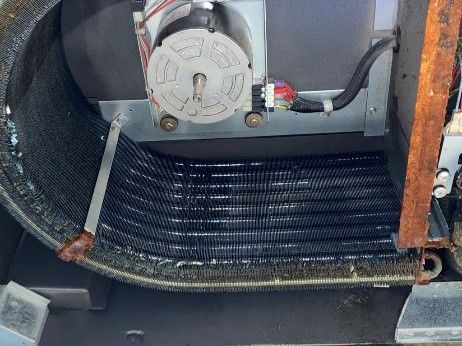
Understanding Split System Air Conditioners
A split system air conditioner includes two main components:
- Indoor unit – evaporator coil, filters, and blower fan
- Outdoor unit –
condenser coils, cooling fins, and compressor
These systems deliver efficient cooling and heating year-round, making them ideal for businesses and homes across Australia. But because each component performs a different function, each requires its own maintenance approach.
From experience, the indoor unit collects dust and airborne particles more quickly, while the outdoor unit is hit with weather exposure, vegetation, and debris. When either side becomes dirty, performance drops and energy use spikes.
Efficient Hygiene Services always emphasises that understanding how your system works helps you make better decisions about cleaning frequency and when to bring in a
professional team.
Indoor Unit Components
The indoor unit includes:
- Air filters – capture dust and allergens
- Evaporator coils – responsible for cooling
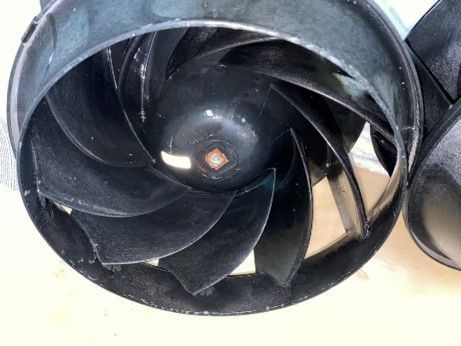
- Blower fan – circulates conditioned air through the space
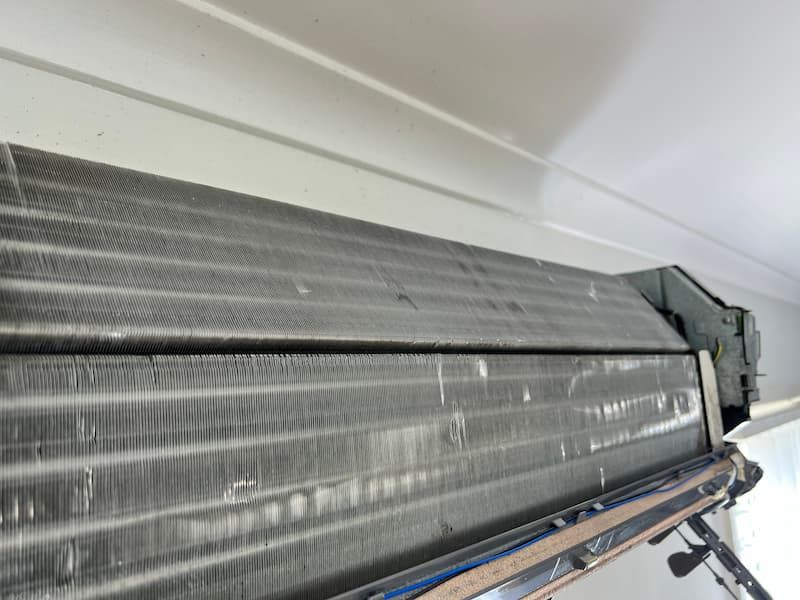
Over time, filters clog, coils become coated in grime, and fans collect dust. This leads to:
- Weak airflow
- Increased running costs
- Reduced cooling capacity
- Mould development
- Odours
A simple filter clean can dramatically improve airflow, but deeper cleaning of coils and fans requires proper tools and professional training.
Outdoor Unit Elements
The outdoor unit contains:
- Condenser coils
- Cooling fins
- Compressor housing
Dirt, leaves, pollution, and overgrown plants restrict airflow through the outdoor coils, which forces the system to run harder to cool the refrigerant. This increases power use and puts unnecessary strain on the compressor—the most expensive part of the system to replace.
A well-maintained outdoor unit ensures optimal heat exchange, reduced energy consumption, and smoother overall operation.
Preparation and Safety Requirements
Before any cleaning begins—DIY or professional—safety is paramount. Water, chemicals, and electricity are a dangerous combination, and split systems contain sensitive electronics and refrigerant components.
Efficient Hygiene Services always follows strict preparation and safety protocols.
Power Safety Procedures
Before touching any component:
- Turn off the system using the remote
- Shut off the indoor isolator switch
- Switch off the dedicated circuit breaker
- Double-check there is no power
This prevents electrical hazards and protects your equipment from damage during cleaning.
Essential Tools and Equipment
For basic DIY tasks, you typically gather:
- Vacuum with soft brush attachment
- Mild detergent and warm water
- Soft cloths (dry and damp)
- Soft cleaning brush
- Ladder (if needed)
- Garden hose for outdoor units
Professional cleaners from
Efficient Hygiene Services, however, use specialist tools such as:
- Fin combs
- Coil-safe chemical cleaners
- Antimicrobial treatments
- Negative-pressure cleaning systems
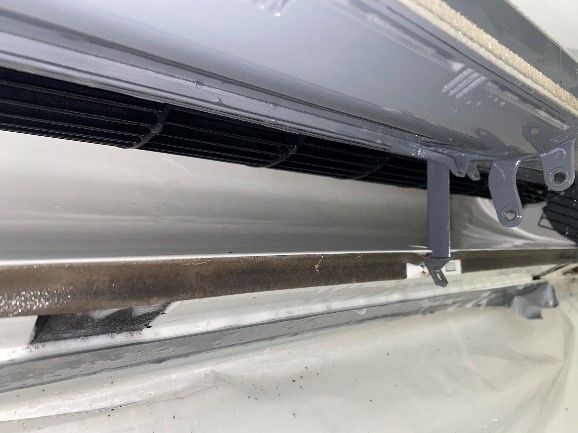
- Professional wash bags for safe indoor coil cleaning


When to Attempt DIY vs Professional Cleaning
DIY maintenance is fine for:
- Cleaning or replacing air filters
- Wiping the external casing
- Keeping vegetation away from the outdoor unit
- Checking drain outlets
Call Efficient Hygiene Services when you notice:
- Persistent odours
- Mould inside the unit
- Water leaking down the wall
- Loud or unusual noises
- Weak airflow
- Visible dirt inside the indoor unit
- Frozen or sweating coils
- It has been more than 12 months since your last professional clean
A professional deep clean reaches areas that DIY cleaning cannot safely access.
Comparison: DIY Cleaning vs Professional Service
| Aspect | DIY Cleaning | Professional Service |
|---|---|---|
| Scope | Filters and exterior areas | Full internal deep clean |
| Safety | Limited | Safe access to all components |
| Effectiveness | Good for surface-level upkeep | Restores full performance |
| Cost | Low | Higher upfront, lower long-term costs |
| Frequency | Monty-quarterly | Annually or bi-annually |
| Result | Maintains performance | Maximises efficiency and lifespan |
Professional cleaning by Efficient Hygiene Services includes
coil flushing, antimicrobial treatments, fan and drain cleaning, and full internal inspection—services impossible to replicate safely without training.
Step-by-Step Cleaning Process
Efficient split system cleaning requires a structured approach. Here’s the general process I follow for basic upkeep, along with what I rely on Efficient Hygiene Services to manage professionally.
Step-by-Step: Indoor Unit Cleaning
- Remove the air filter: Open the front panel and slide the filter out. Inspect for dirt and damage.
- Clean the filter thoroughly: Rinse with warm water, use mild detergent for stubborn dirt, and allow it to dry completely.
- Wipe accessible surfaces: Clean the vents, casing, and easily accessible internal areas with a damp cloth.
- Clear the drainage area: Ensure the condensate drain is free of blockages and wipe away any mould.
- Reinstall and test: Once everything is dry, reinstall the filter and restart the unit to check airflow.
Step-by-Step: Outdoor Unit Maintenance
Always shut off power before working outside.
- Clear the surrounding area: Maintain at least 60 cm of clearance around the unit.
- Clean the condenser coils: Vacuum gently, then rinse from inside outward with low-pressure water.
- Straighten bent fins: Use a fin comb to carefully realign fins for optimal airflow.
- Inspect the housing: Wipe the casing, remove debris, and check for loose fittings.
Optimising Performance and Efficiency
Keeping a split system efficient is all about airflow, clean coils, and unobstructed heat exchange. In our experience, it takes consistent maintenance to keep costs down and performance high.
Key practices include:
- Cleaning filters every 1–3 months
- Keeping the outdoor unit clear of debris
- Straightening fins and cleaning coils
- Checking for leaks, odours, or unusual noise
- Scheduling annual professional servicing
Even newer units with self-cleaning features still need hands-on maintenance, especially in high-use commercial environments.
A well-maintained split system:
- Runs quieter
- Uses less energy
- Heats and cools faster
- Keeps air clean and healthy
- Lasts significantly longer
Common Challenges and Solutions
Even with regular upkeep, some issues require expert attention.
Stubborn Mould or Mildew
- Solution:
Efficient Hygiene Services uses antimicrobial treatments and deep-cleaning techniques to eliminate mould at its source.
Damaged or Bent Fins
- Solution: Technicians use specialist repair tools to straighten or replace fins without damaging fragile components.
Refrigerant Leaks
- Solution: Only licensed HVAC specialists can legally repair, recharge, or handle refrigerant leaks safely.
Persistent Odours
- Solution:
Professionals inspect coil cavities, drainage systems, and fan housings to treat contamination beyond surface level.
Case Study: Improving Comfort & Reducing Energy Costs for a Brisbane Corporate Office
Business Type:
- Corporate Office – Finance & Administration
Location:
- Brisbane CBD
Staff:
- 48 employees
HVAC Setup:
- 11 split system air conditioners (Daikin & Fujitsu units) operating 5–6 days per week
Client Overview
Staff spend long hours on calls, in meetings, and working at their desks, so consistent temperature control and clean air quality are critical for productivity and wellbeing.
After months of staff complaints about poor cooling and rising energy bills, they engaged
Efficient Hygiene Services for a complete Split System Air Conditioner Cleaning across our office floors.
The Challenge
Across several departments, we noticed performance issues:
- Hot and cold spots across different work areas
- Weak airflow from four of the indoor units
- Dusty odours when units were first switched on each morning
- Higher quarterly energy bills compared to the previous year
- Visible dust buildup on vents and louvres
- Condensation dripping from a unit near reception
These issues indicated deeper internal problems such as:
- Clogged filters
- Dirty evaporator and condenser coils
- Mould growth in drip trays
- Blocked drains
- Dust-laden blower fans
- Outdoor units restricted by debris
With a fully-booked workspace and limited downtime options, they needed a professional cleaning solution that could be completed outside business hours and restore our systems to full efficiency.
The Solution: Full Split System Deep Clean
Efficient Hygiene Services delivered a structured, non-disruptive service over two consecutive evenings.
System Inspection & Reporting
Their technicians assessed all 11 units, identifying:
- Heavy dust contamination
- Moderate mould in two evaporator housings
- Blocked condensate drains
- One outdoor unit partially obstructed by a nearby construction site’s dust
Detailed condition photos were provided before cleaning began.
Indoor Unit Deep Cleaning
Using professional wash bags, negative-pressure equipment, and coil-safe cleaners, Efficient Hygiene Services thoroughly cleaned:
- Filters
- Evaporator coils
- Blower wheels
- Louvres
- Drain pans
An antimicrobial treatment was applied to prevent odour and mould regrowth—especially important in a large, high-occupancy office.
Outdoor Unit Maintenance
The outdoor units located on the rooftop received:
- Full coil flushing
- Removal of construction dust
- Straightening of bent fins
- Clearance of debris and obstructions
This significantly improved refrigerant cooling efficiency.
Drainage & Leak Resolution
Two units had partially blocked drains. These were flushed and sanitised, resolving our ongoing condensation issues.
Final Testing & Performance Check
After reassembly, every unit was tested for:
- Airflow
- Temperature output
- Noise levels
- Drainage
- Coil performance
The office received a full post-service report for maintenance records.
Results
The impact was immediate and quantifiable.
- Significant Cooling Improvement
Airflow increased dramatically, and temperature consistency improved across all work areas—no more hot pockets during the afternoon.
- 21% Reduction in Energy Costs
The next two billing cycles showed a notable drop in electricity usage due to improved efficiency.
- Odours Completely Removed
Morning start-up smells vanished, replaced with noticeably fresher air.
- Zero Condensation Leaks
The reception area leak was resolved instantly after drain clearing.
- Happier, More Productive Staff
Employees reported better comfort, fewer headaches, and improved air quality.
- Longer Equipment Life & Lower Maintenance Risk
With coils, fans, and drains restored, the risk of compressor strain and breakdowns was dramatically reduced.

Conclusion and Next Steps
For businesses like yours, Split System Air Conditioner Cleaning is essential for maintaining comfort, performance, and running costs. Basic maintenance keeps things moving, but professional cleaning ensures long-term reliability and clean, healthy air.
Our recommended approach:
- Assess your system –
check filters, airflow, drainage, and odours
- Maintain regularly –
monthly filter cleaning, quarterly external checks
- Book an annual professional clean –
Efficient Hygiene Services provides full internal and external deep cleaning
Clean equipment performs better, lasts longer, and supports a healthy environment for employees, tenants, and customers.
Additional Resources
Contact Efficient Hygiene Services if you notice:
- Reduced cooling or heating
- Water leaks
- Persistent smells
- Noisy operation
- Poor airflow
- Visible mould
- It’s been 12+ months since your last deep clean
Their professional servicing ensures your split system runs at peak efficiency year-round.
Our Real Customer Reviews
We had our exhaust cleaned by Efficient Hygiene Services, and the experience was absolutely fantastic from start to finish. The team was professional, polite, and incredibly thorough. They arrived on time, explained everything clearly, and left the area spotless. It’s so refreshing to deal with a company that takes real pride in their work. Great clean service — we’ll definitely be using EHS again and highly recommend them to anyone looking for quality and professionalism!
We have been working with Efficient Hygiene Services for years in both our locations for cleaning our exhaust systems. Very professional service, good workmanship which is quite rare these days. They are always on time, prices are reasonable and we always receive photos of before and after. Highly recommended EHS.
The 2 technicians that completed the air conditioning deep cleans at my child care centre were outstanding. We have had many other companies complete our air con cleaning but none are as good as Efficient Hygiene Services.! We won’t trust anyone else. Our air cons are running more efficient and smell amazing.
Our retail business has been using Efficient Hygiene Services for 5 years. The service and quality of work is always outstanding. I highly recommend using their services. If you own a restaurant wanting your exhaust duct cleaned regularly or if you have air conditioning ducts that need cleaning for better air quality.
Frequently Asked Questions
How does mould and bacteria grow in split or cassette air conditioners?
Any build-up of debris and moisture within an air conditioner can cause mould and bacteria to grow. This can potentially cause health concerns for your staff and customers over time. As such, it is important to maintain a regular air conditioner cleaning schedule.
How long does it take to clean a cassette air conditioner system?
On average, a cleaning service for a standard cassette air conditioner will take around one hour. However, overall cleaning times may vary depending on how many units you have and the amount of build-up within them.
Is a cassette system better than a split system?
One system can’t necessarily be said to be better than the other, as each is intended for a different area. Cassettes are more suitable for larger open areas — such as office spaces or restaurants. Split systems are ideal for smaller spaces — such as cafes or retail stores.