Commercial Air Conditioner Maintenance Checklist
A commercial air conditioner maintenance checklist needs two halves: the mechanical servicing your licensed HVAC technician handles, and the hygiene work that keeps filters, coils, drain pans, ducts and grilles clean. At Efficient Hygiene Services, we look after the hygiene side for facilities managers, building managers and government agencies across the Gold Coast, Brisbane and South East Queensland, and this checklist sets out what to inspect, clean and record so your system delivers clean air and runs efficiently.
Key Takeaways
- Every commercial air conditioning system needs both licensed mechanical servicing and specialist hygiene cleaning.
- Neglecting HVAC hygiene leads to higher energy use, musty odours, occupant complaints and a greater risk of breakdowns.
- Maintenance frequency depends on building type, occupancy and environment, not a fixed calendar.
- Documented records of every visit support workplace health and safety obligations, audits and budgeting.
- Efficient Hygiene Services offers fully documented maintenance programmes and scheduled maintenance reminder services.
How Commercial Air Conditioning Systems Work (and Where Hygiene Fits)
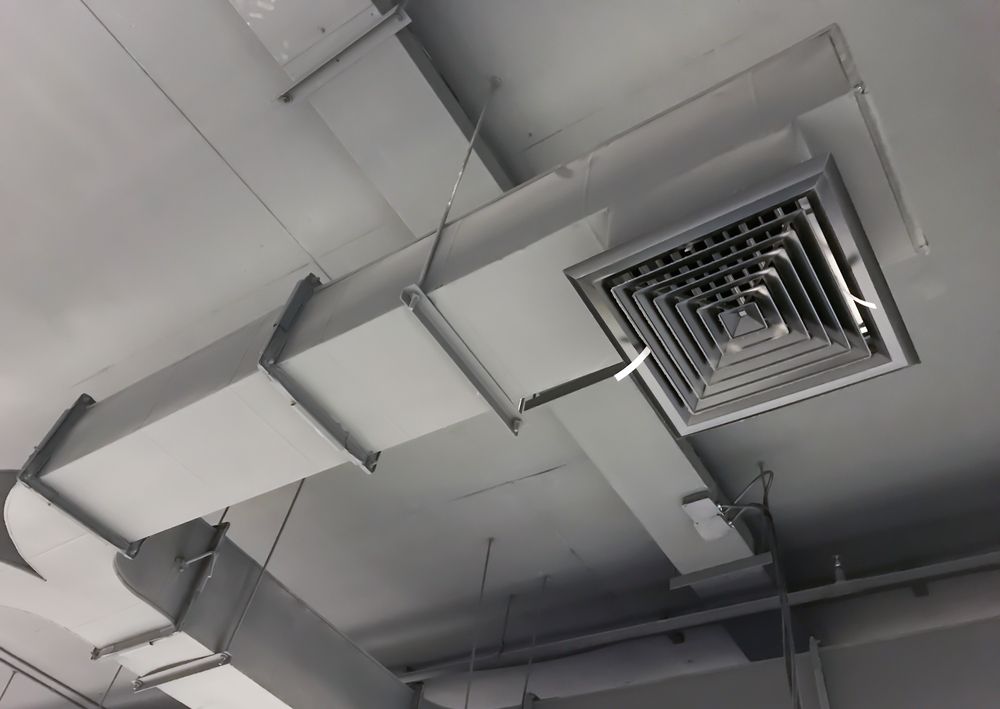
Commercial air conditioning systems move air through a path of filters, coils, fans, ducts and grilles, and every one of those components collects dust and moisture over time. At Efficient Hygiene Services, we clean that air path in offices, schools, healthcare facilities, retail centres and government buildings across Brisbane and the Gold Coast.
The systems you'll typically find in commercial buildings include:
- Split and multi-split systems serving individual offices and tenancies
- Cassette systems mounted in ceilings
- Ducted systems and central plant with air handling units
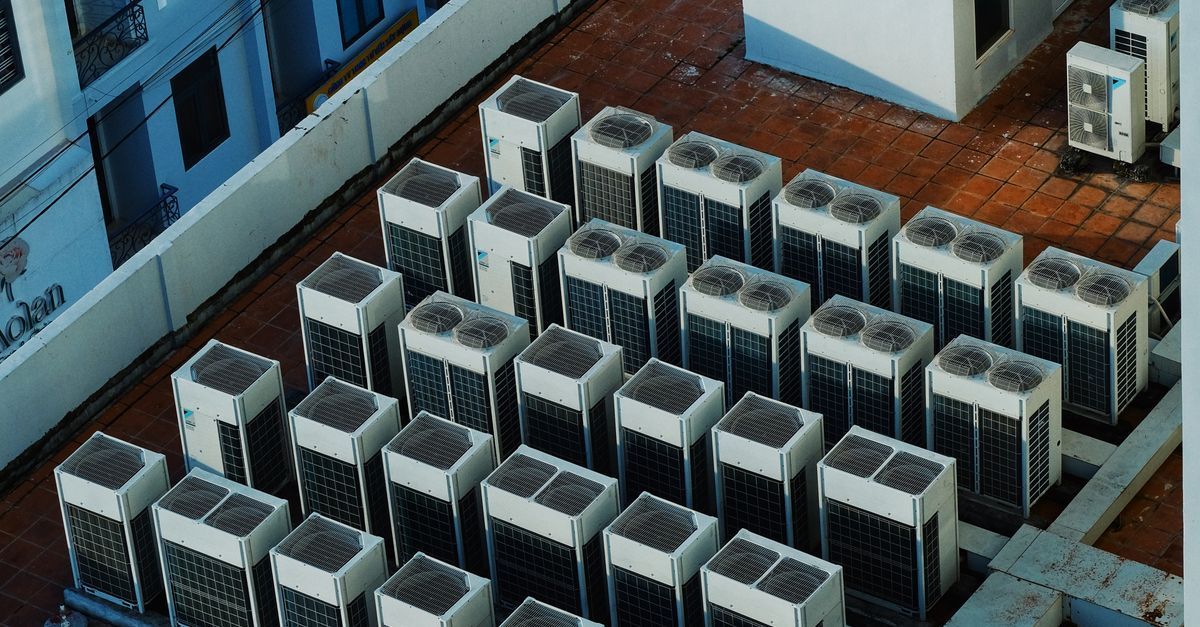
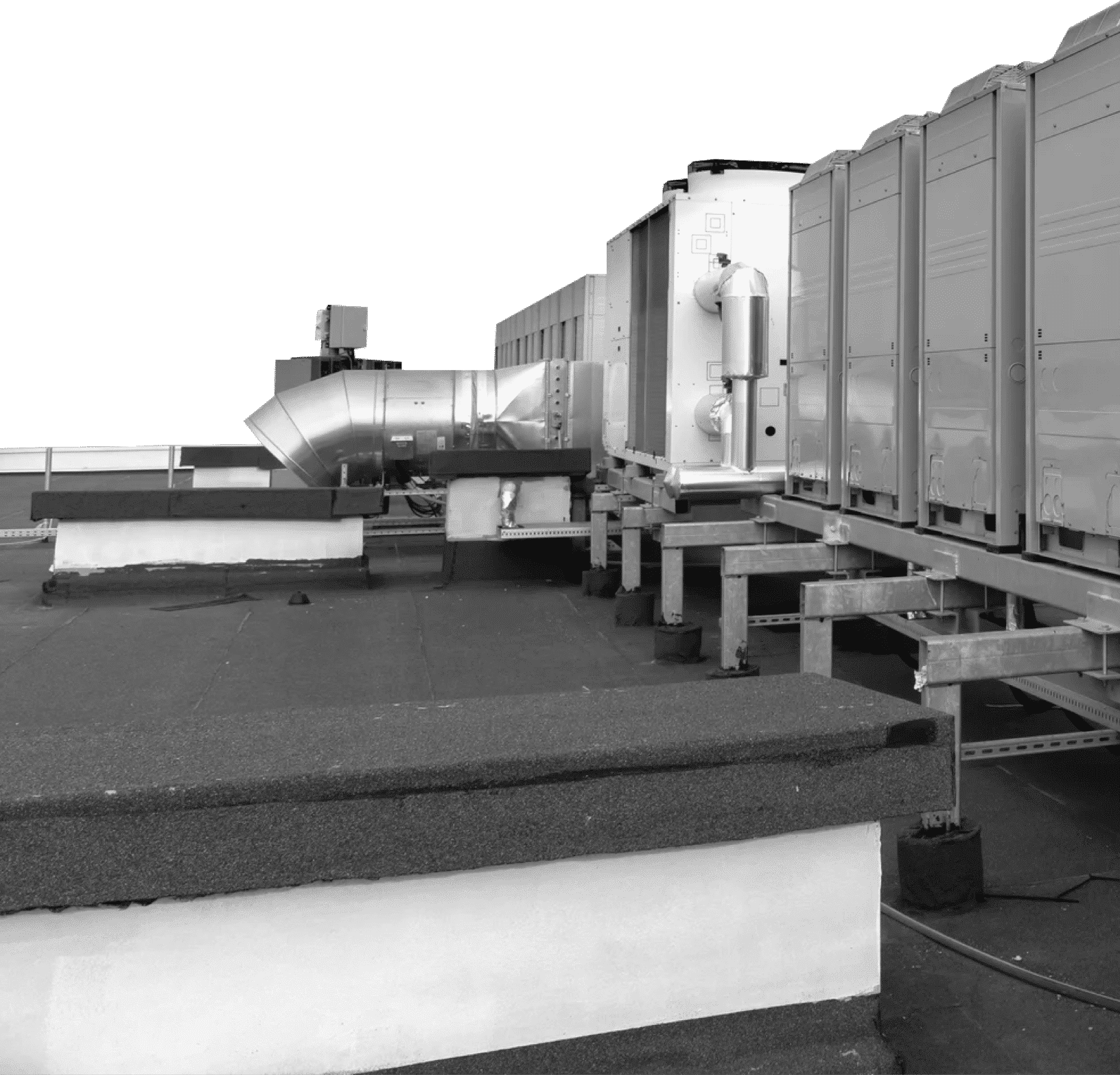
- Packaged rooftop units
- VRF systems for larger buildings needing zoned control
The mechanical and refrigeration side, including compressors, refrigerant circuits and controls, must be handled by a licensed technician. The hygiene side covers the air path and the condensate path. In South East Queensland's humid climate, coils and drain pans stay wet while the system runs, creating conditions for mould and bacteria if hygiene is neglected. That's where hygiene maintenance makes a measurable difference to air quality and system performance.
Setting Up a Commercial Air Conditioning Hygiene Maintenance Programme
A site-wide hygiene maintenance programme works better than ad-hoc service calls because it catches problems early and keeps records consistent. At Efficient Hygiene Services, we build fully documented maintenance programmes for facilities across the Gold Coast, Brisbane and South East Queensland, tailored to each building type, whether that's an office, aged care home, school, medical clinic, council building or hospitality venue.
To set one up:
- List every AHU, fan coil unit, rooftop unit, split or cassette system and major duct branch on site.
- Map the hygiene risk points: filters, coils, drain pans, outside air intakes and high-occupancy zones.
- Build a maintenance calendar with tasks at the right intervals for each asset and environment.
- Coordinate two parties: your licensed mechanical contractor for refrigerant, electrical and statutory tasks, and an HVAC hygiene specialist for air path and condensate cleaning.
- Set up reminders so tasks aren't missed in busy periods. We offer scheduled reminder services for annual or biennial HVAC maintenance.
Commercial Air Conditioner Hygiene Checklist: What to Inspect and Clean
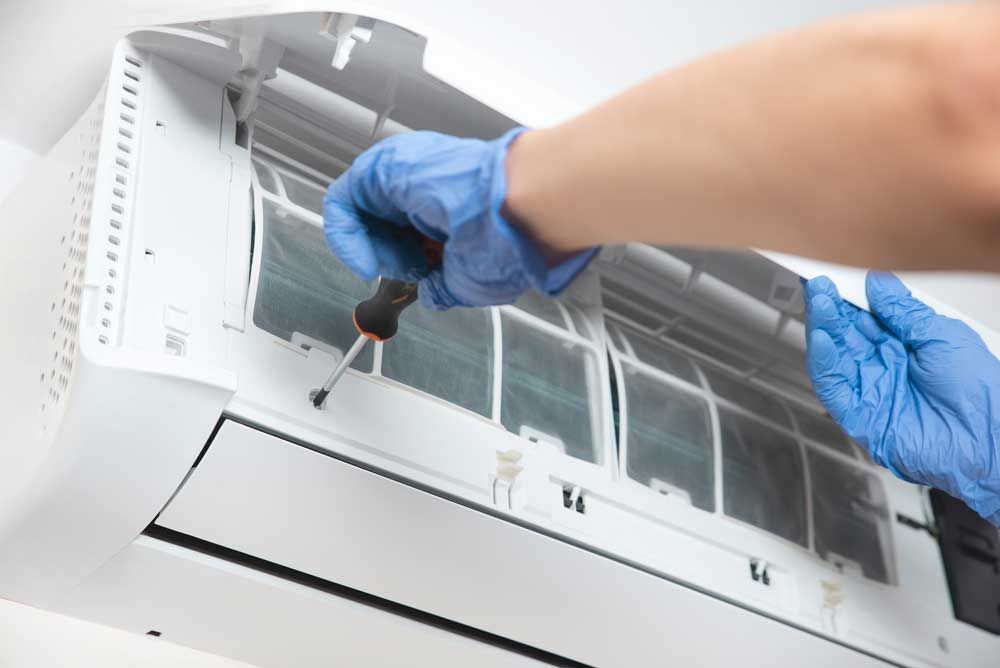
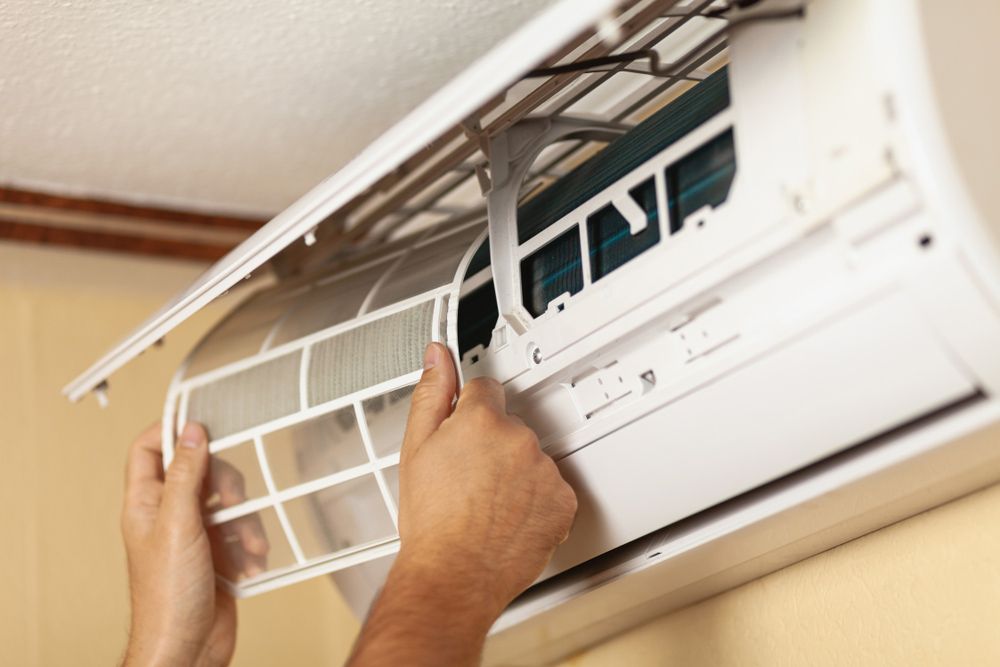
A commercial air conditioner hygiene checklist should cover filters, coils, drain pans, ductwork and grilles, plus a separate set of mechanical checks for your licensed technician. This is the working reference we at Efficient Hygiene Services suggest facilities teams use for each maintenance visit.
Filters
- Inspect and record filter condition, and photograph dirty filters before replacement
- Confirm the correct filter grade and fit to prevent air bypass
- Check seals between filter frames and housings
- Replace filters after a deep clean to maintain airflow and air quality
Coils
- Inspect evaporator and condenser coils for dust, slime and corrosion
- Clean coils to restore heat transfer, using coil-safe methods
- Note any bent fins or coating damage
Drain pans and condensate paths
- Check drain pans and traps for standing water, rust, slime and biological growth
- Clear and flush condensate lines to prevent overflow and water damage
- Treat pans where microbial growth is present
- Confirm drainage fall is adequate to prevent odours and pooling
Ductwork and plenums
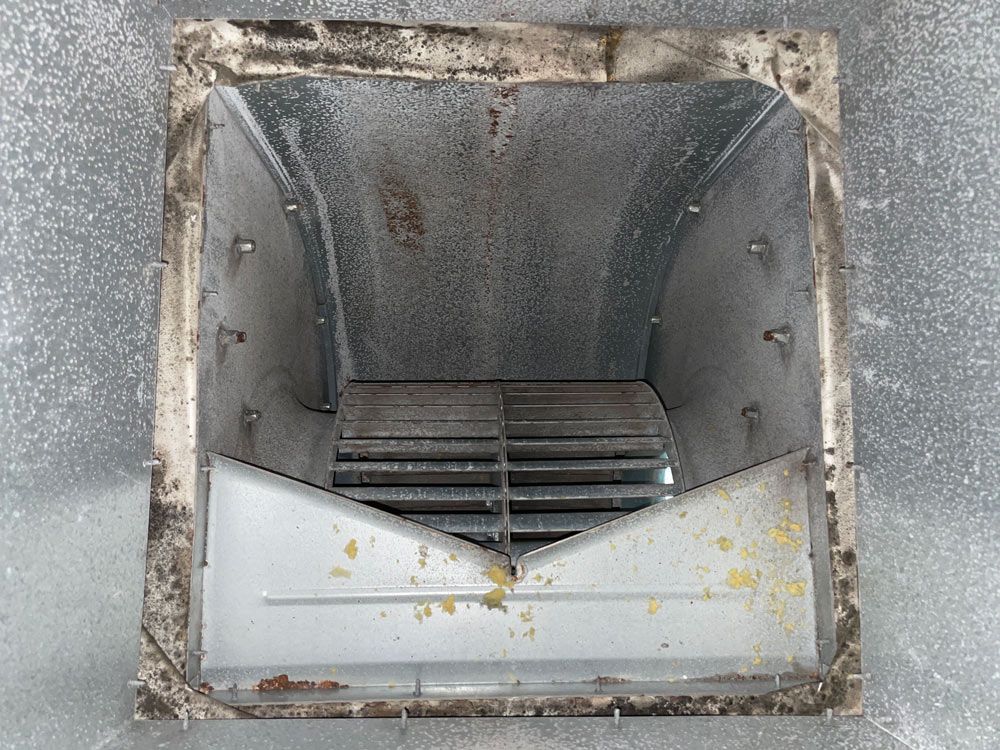
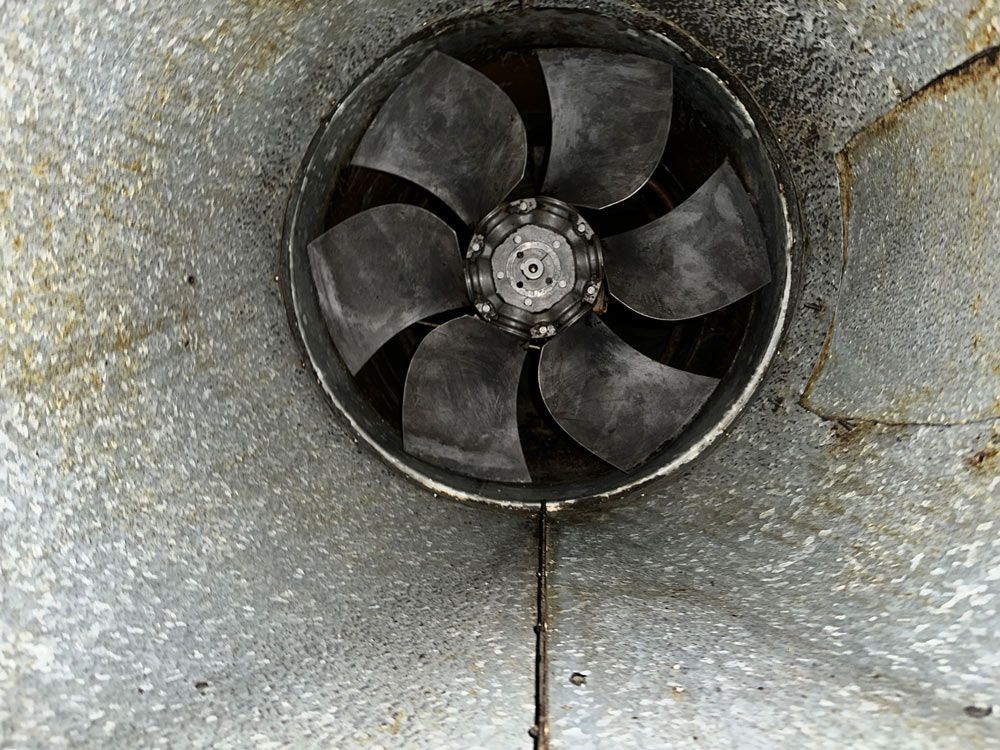
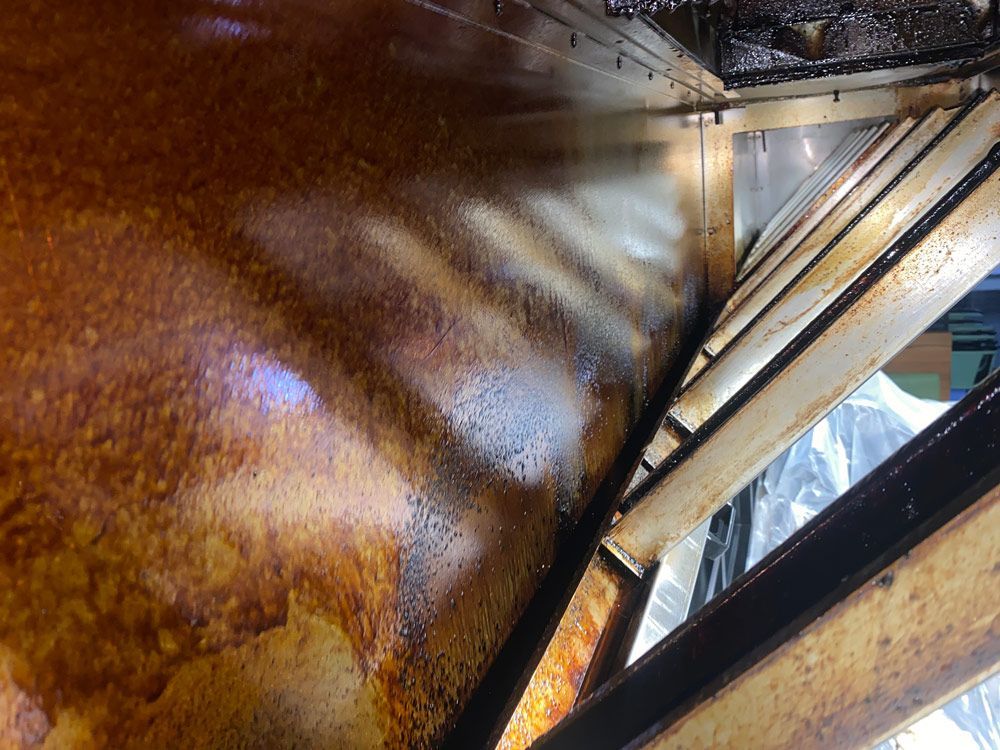
- Open access panels and inspect for dust, insulation damage, visible mould or water staining
- Check for leaks at joints and connections
- Plan targeted duct cleaning where contamination is evident
Diffusers, grilles and registers
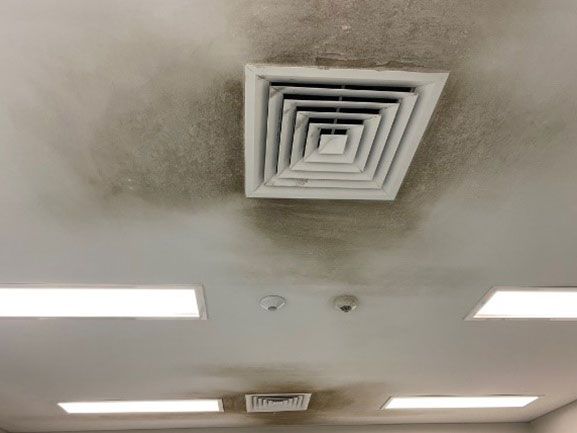
- Look for dust streaks and staining around diffusers, return grilles and nearby ceiling tiles
- Clean surfaces and note where soiling recurs, as it can point to airflow or balance issues
Mechanical checks (licensed technician only)
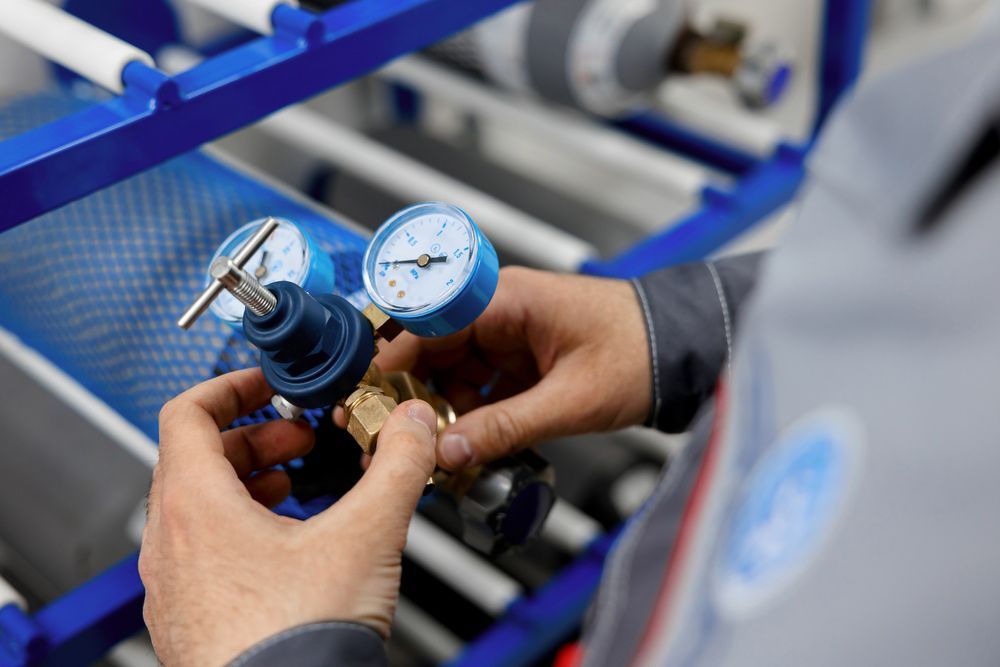
- Refrigerant levels and leak checks
- Blower assemblies, motors and bearings
- Electrical connections and safety controls
- System performance, including temperatures and pressures
- Unusual noises, vibrations or leaks
For tips on the filter side in particular, see our article on regular air conditioner filter maintenance, and for coils, how often AC coils should be cleaned.
Common Signs Your Commercial HVAC System Needs Hygiene Attention Sooner
Musty odours, uneven temperatures, rising energy bills and recurring leaks are the clearest signs a commercial HVAC system needs hygiene attention before its next scheduled visit. At Efficient Hygiene Services, these are the warning signs we ask facilities managers in Brisbane and on the Gold Coast to act on early:
- The system struggles to hold the set temperature, or takes a long time to get there.
- Rooms feel stuffy, with hot and cold spots or reduced airflow from vents.
- Energy bills rise without any change in settings or occupancy.
- Musty smells or increasing dust suggest mould or contamination in coils, pans or ducts.
- The system runs intermittently, or makes odd noises as if it's straining.
- Water leaks around indoor units point to a blocked drain line.
- Staff or tenants report irritated eyes, sneezing or respiratory discomfort concentrated in certain zones.
Keep a simple log of complaints, odours and temperature calls by zone and date, and compare it with your maintenance records to adjust the schedule. Our article on the signs your air conditioning unit needs to be cleaned goes into more detail.
Planning Frequency, Access and Scheduling Around Your Building
There's no universal frequency for commercial air conditioner hygiene; the right intervals depend on building use, location, outdoor air quality and occupancy. At Efficient Hygiene Services, we assess each system and recommend a tailored schedule rather than applying one calendar to every site.
Factors that change how often hygiene tasks are needed:
- Occupant sensitivity: healthcare, aged care, childcare and education sites generally warrant closer attention than a standard office.
- Internal conditions: gyms, kitchens and high-occupancy spaces load filters and coils faster.
- Environment: coastal salt air, humidity, nearby construction dust, pollen seasons and bushfire smoke all speed up fouling.
- Usage patterns: systems that run long hours, or schools that sit idle over holidays, behave differently.
Access planning matters too. Rooftop units need fall protection, and ceiling access to ductwork needs coordination with building management. We schedule hygiene work after hours, on weekends or during low-occupancy windows so tenants and customers aren't disrupted. If you want a seasonal refresher alongside your programme, our guide on how to spring clean your commercial air conditioning unit is a handy companion.
Documentation, Compliance and Working With Specialists
A documented maintenance checklist is essential in commercial and government settings because it proves due diligence for workplace health and safety, audits and contract reviews. At Efficient Hygiene Services, every service includes photographic evidence, air quality data and certification of cleanliness, and our cleaning follows AS/NZS 3666.
Each hygiene visit should record:
- Date, time and assets serviced, by plant ID or room location
- Before-and-after photos of filters, coils, drain pans and ducts
- Findings such as mould, heavy dust, water ingress or insulation damage
- Corrective actions taken and recommendations for follow-up
Keep mechanical service reports and hygiene reports together for each system so trends become visible, such as recurring condensate problems or repeated coil fouling. Engage the right people for each task: licensed HVAC technicians for refrigerant, electrical and mechanical work, and an HVAC hygiene specialist for cleaning, inspection and reporting on the air path. Efficient Hygiene Services brings 10+ years of experience, and every service is undertaken or supervised by a NADCA member, an ASCS and a VSMR.
Ready to set up a documented hygiene maintenance programme? Call Efficient Hygiene Services on 1300 222 357 or request a free quote.
Frequently Asked Questions About Commercial Air Conditioner Hygiene
How is HVAC hygiene different from standard air conditioner servicing?
Standard servicing by a licensed HVAC technician focuses on mechanical performance, refrigerant, electrical safety and controls. HVAC hygiene focuses on cleaning filters, coils, drain pans, ducts and grilles to protect air quality. The two work together: mechanical servicing keeps the system running, and hygiene maintenance keeps the air it delivers clean while reducing strain on motors and components.
Do I need to shut down the whole building to clean the system?
No. Most hygiene tasks can be staged zone by zone or unit by unit, often after hours or during low-occupancy periods. Map out critical areas such as call centres, public counters or server rooms with your hygiene contractor so work is scheduled around them.
Will coil and duct cleaning disrupt tenants or create dust?
Professional HVAC hygiene contractors use containment, negative air and sealed extraction to keep dust out of occupied spaces. There's some low-level vacuum and machinery noise, so scheduling work for evenings, weekends or agreed quiet periods is recommended.
How can I tell if ducts actually need cleaning, not just filters?
Repeated dust streaks around supply grilles, visible contamination inside access panels, past water ingress or odours that persist after filter changes all suggest the ducts need attention. An inspection with photos and a written report is the most reliable way to confirm it before committing to a full clean.
What information should I have ready before asking for a free quote?
Have the building address, approximate floor area, number and type of air conditioning units, typical operating hours and any known air quality concerns ready, plus drawings or plant schedules if available. Call Efficient Hygiene Services on 1300 222 357 to get started.