How to Choose a Commercial HVAC Cleaning Company
Choosing a commercial HVAC cleaning company is a compliance, risk and air quality decision, not just a price decision. At Efficient Hygiene Services, we work with facilities managers, building managers and government agencies across the Gold Coast, Brisbane and South East Queensland, and this guide covers the checks we'd make if we were the ones appointing a contractor: credentials, methods, safety, reporting and how to compare quotes like for like.
Key Takeaways
- Look for proven commercial HVAC experience, recognised industry credentials such as NADCA and IICRC, and a documented process that aligns with AS/NZS 3666.
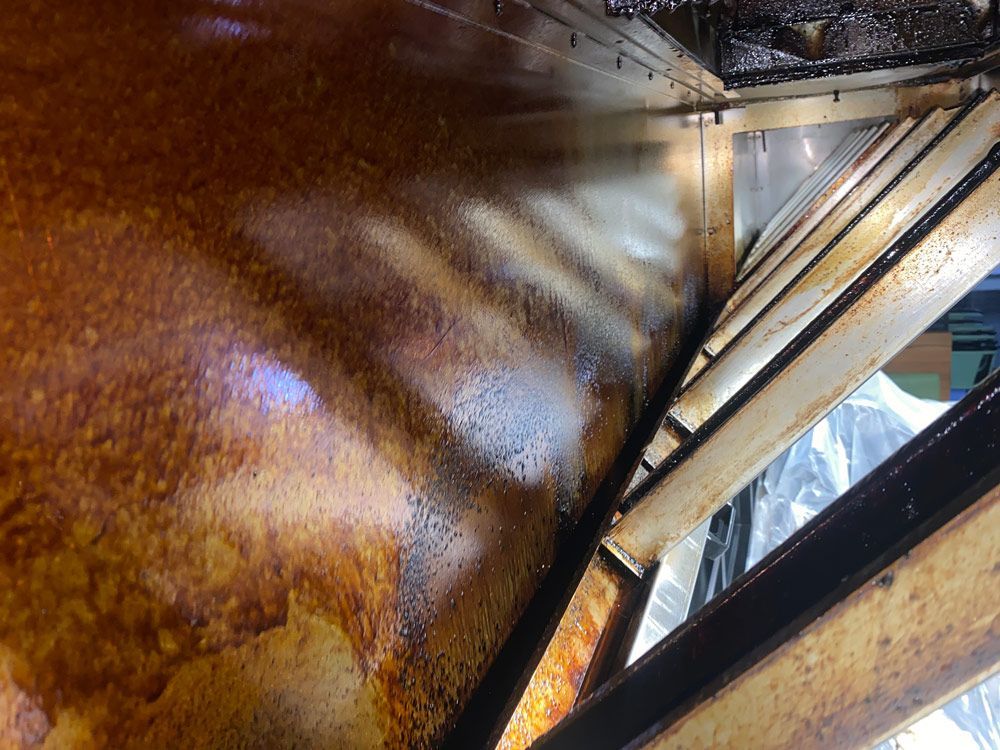
- Insist on clear evidence of the work, including before-and-after photos and a written report, so you can show due diligence to insurers, auditors and regulators.
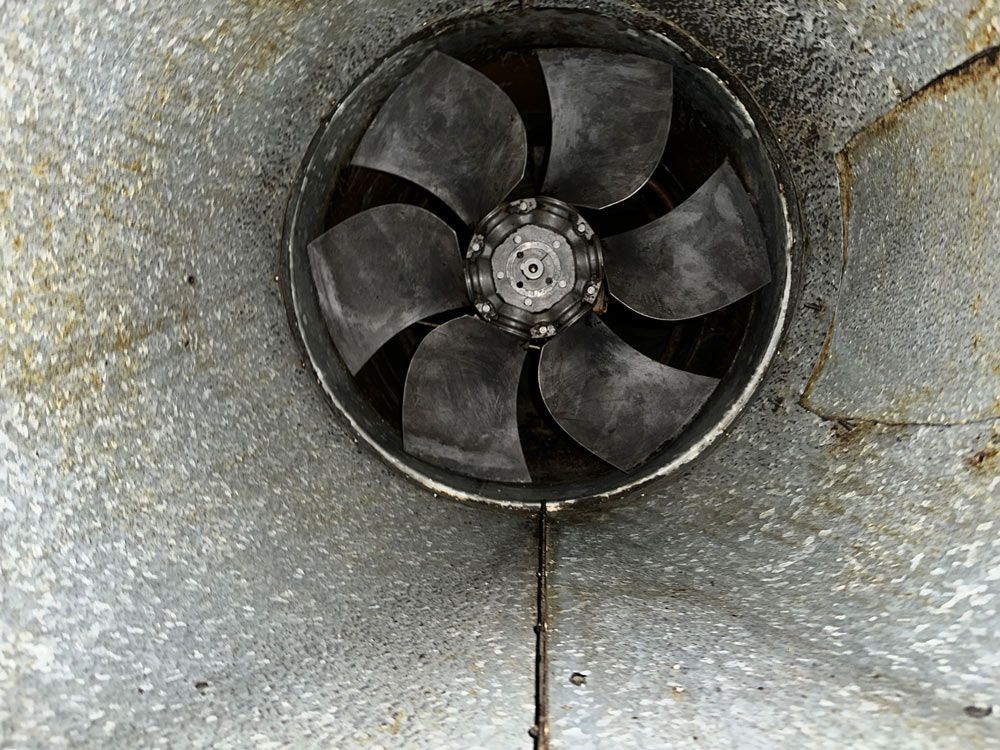
- Commercial HVAC cleaning should cover the whole air path (coils, ducts, filters, drains, fans and air handling units), not just a quick pass through the ducts.
- A good proposal sets out a detailed scope of works, the methods used and exactly what you'll receive at the end.
- Call Efficient Hygiene Services on 1300 222 357 for advice or a commercial HVAC hygiene assessment in South East Queensland.
1. Clarify Your Building's HVAC Hygiene Needs Upfront
The best way to choose an HVAC cleaning contractor is to define your scope before you ask for a single quote. At Efficient Hygiene Services, we find that facilities managers who map their assets and issues first get proposals that are easier to compare and far less likely to blow out with variations later. Common triggers for a commercial clean include compliance obligations, occupant complaints about odours or stuffiness, visible mould, rising energy bills, or a recent fit-out that pushed dust and debris through the duct system.
Assets to list before requesting quotes:
- Air handling units (AHUs) and other commercial air conditioning plant
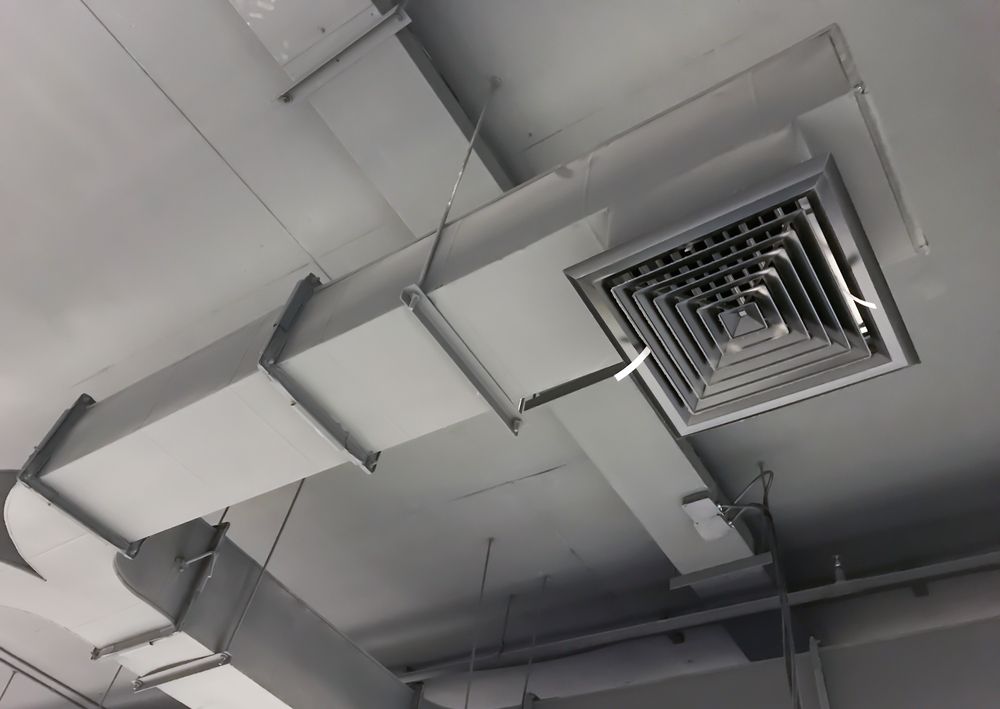
- Supply and return ductwork, risers and ceiling spaces
- Outside air intakes
- Cooling and heating coils, condensate trays and drains
- Fans, grilles, diffusers and filter assemblies
Needs differ by building type. Offices, healthcare facilities, schools, government buildings, data centres and retail centres all have different occupancy patterns, operating hours and critical areas, and those differences shape the cleaning plan. Pull together any previous HVAC or indoor air quality reports too, because they give a contractor a head start.
Quick checklist to map your current issues:
- Stuffiness, allergy or air quality complaints from staff or tenants
- Visible dust around supply vents and on nearby walls
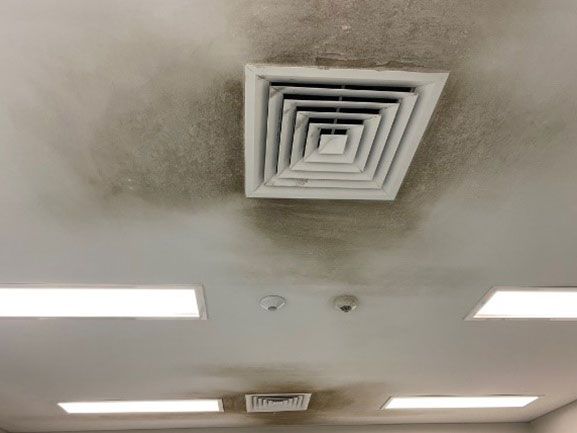
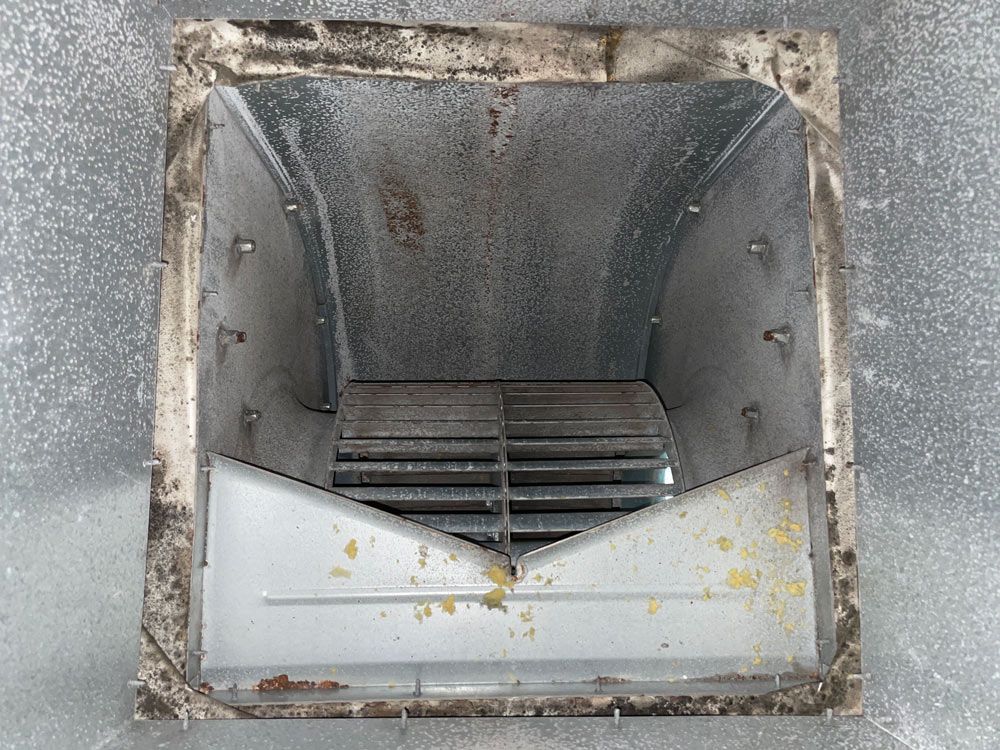
- Musty odours, condensation or visible mould near diffusers
- Water leaks from condensate trays or overflowing drains
- Rusty coils, hot or cold spots, or uneven airflow across a floor
- Rising energy bills or increased system noise
2. Compliance, Standards and Certifications You Should Demand
A commercial HVAC cleaning company should be able to show its credentials, its insurance and the standard it works to, in writing, before it sets foot on your site. Building owners and managers carry workplace health and safety obligations for the air their occupants breathe, so at Efficient Hygiene Services we'd always tell a facilities manager in Brisbane or on the Gold Coast to treat credentials as a minimum, not a bonus.
AS/NZS 3666 is the Australian and New Zealand standard series covering microbial control in air-handling and water systems of buildings. A reputable contractor should work in line with it and understand how their cleaning supports your wider maintenance regime. All of our work at Efficient Hygiene Services follows AS/NZS 3666.
Industry credentials matter too. Every service we deliver is directly undertaken or supervised by a member of the National Air Duct Cleaners Association (NADCA), an Air Systems Cleaning Specialist (ASCS) and a Ventilation Systems Mould Remediator (VSMR). We're also IICRC certified, which matters where moisture, mould or water damage around the HVAC system is part of the picture.
Documents to request from every contractor:
- Evidence of industry credentials such as NADCA, ASCS, VSMR and IICRC
- Insurance certificates of currency
- Evidence of police checks for technicians, especially for schools, hospitals and secure government sites
- Sample Safe Work Method Statements and a sample post-clean report
Our technicians are fully insured and police checked, and we're happy to provide this paperwork as part of any tender or prequalification process.
3. Technical Capability Across the Whole Commercial HVAC System
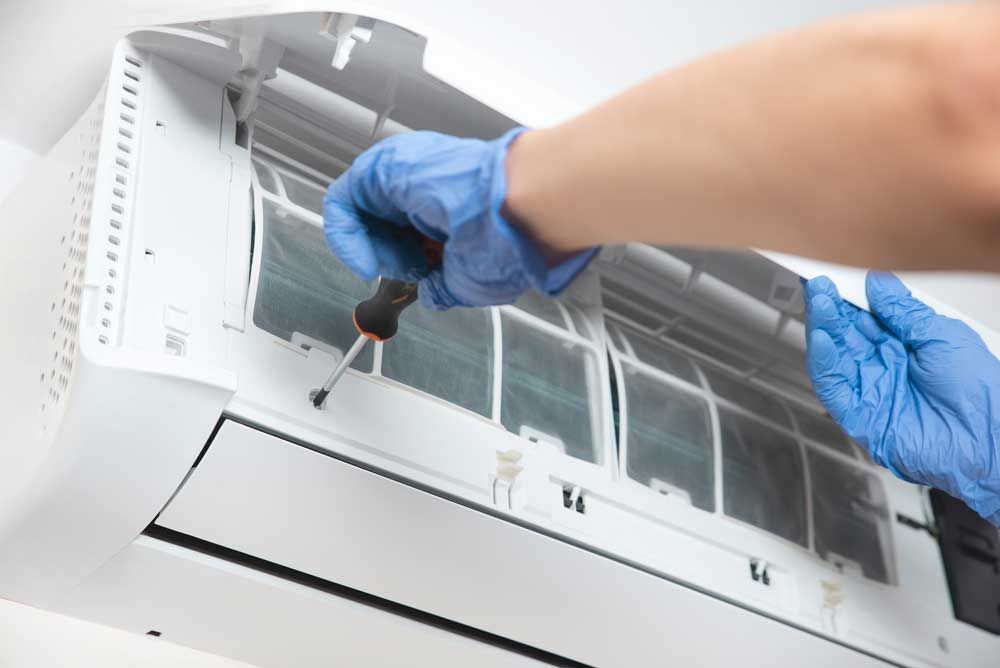
Effective commercial HVAC cleaning means cleaning every component in the air path, not just the ducts. At Efficient Hygiene Services, we start every job with an inspection, because a contractor can't clean properly what it hasn't assessed. A capable provider should be able to inspect and clean supply and return ductwork, coils, fans, air handling units, plenums, ceiling spaces, outside air intakes and drain pans.
They should also be comfortable with the range of systems you'll find in commercial buildings across Brisbane, the Gold Coast and wider South East Queensland:
- Split and multi-split systems in individual offices and tenancies
- Cassette systems in ceilings
- Ducted systems and central plant with multiple air handling units
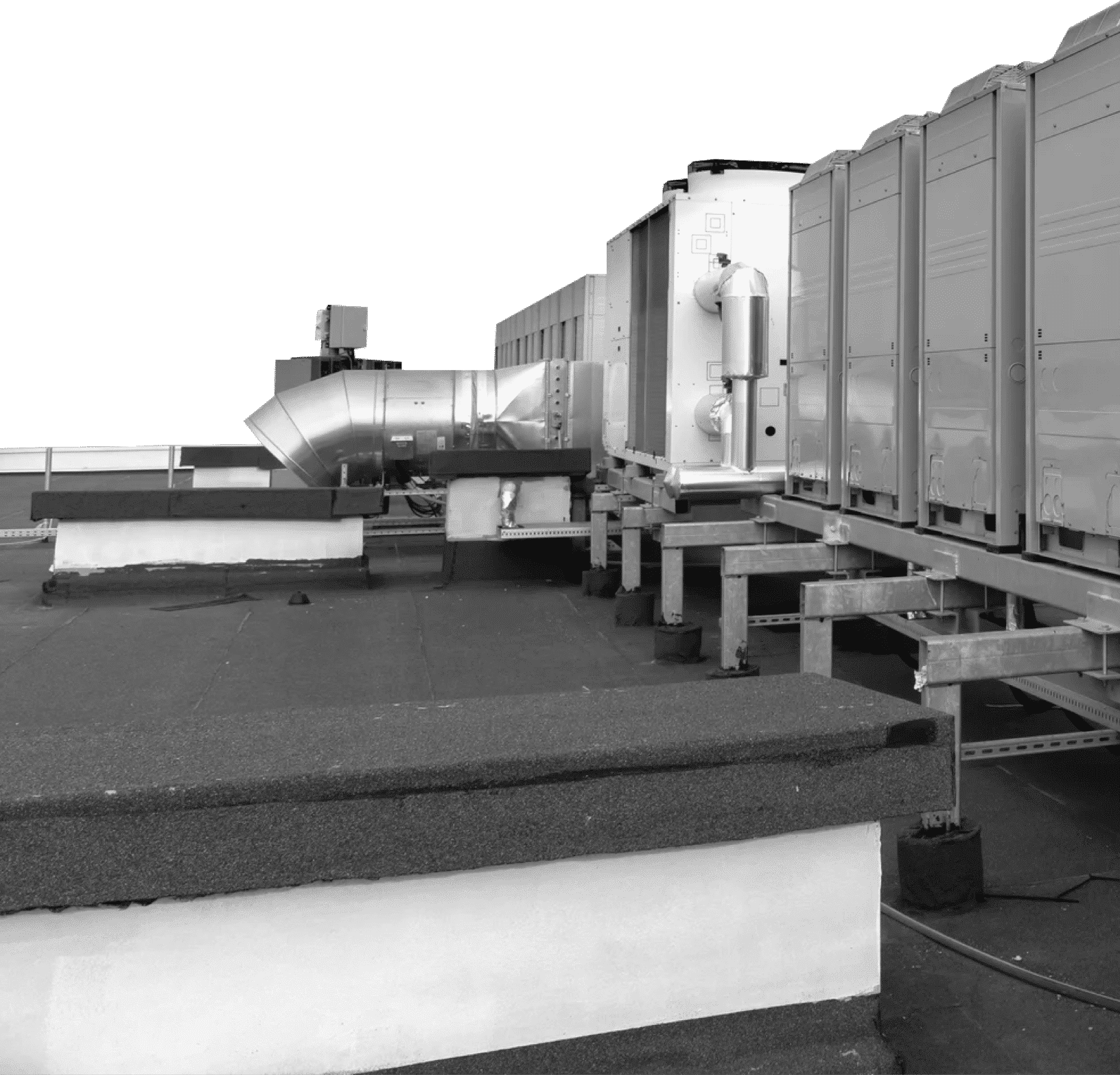
- Packaged rooftop units
- VRF systems serving medium to large buildings
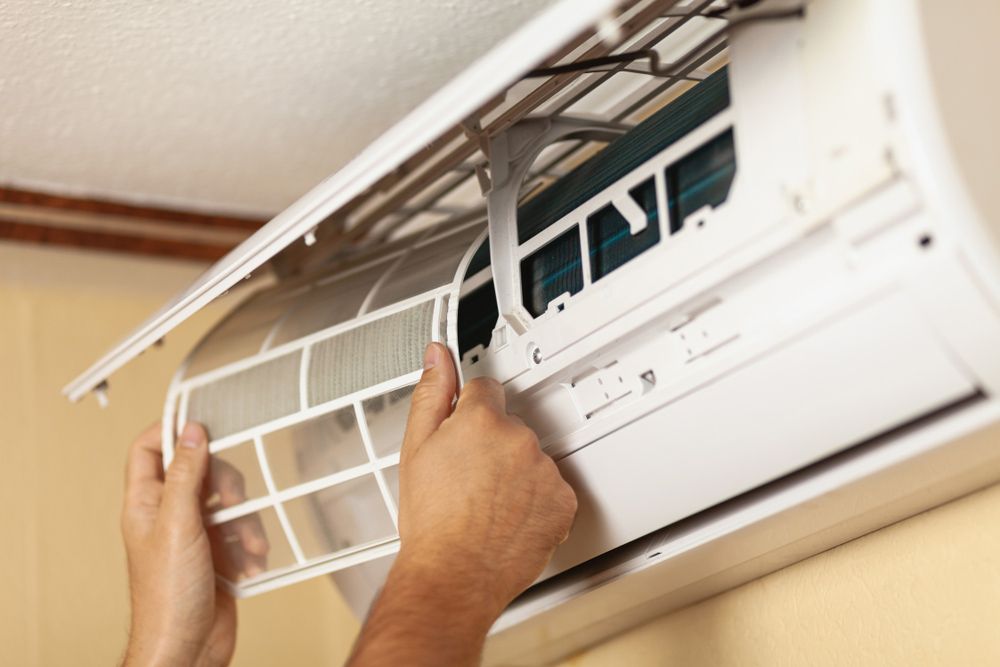
Filtration deserves its own conversation. A specialist should review the filter grade, location and fit rather than just washing filters and moving on, and be able to recommend and supply the right filter for your system.
Ask each contractor to walk you through their process step by step: isolation, protecting plant and occupied areas, cleaning methods, sanitisation, and how they verify the result. With 10+ years of experience, Efficient Hygiene Services handles everything from single split systems to large commercial installations across the region.
4. Methods, Equipment and How They Protect Your Building
The right methods and equipment remove contamination; the wrong ones can damage ductwork, coils and insulation or spread dust and spores into occupied spaces. That's why Efficient Hygiene Services invests heavily in premium equipment and follows a set method on every commercial job.
Equipment and methods to expect from a professional contractor:
- Negative air machines to keep loose debris contained rather than released into the building
- Industrial HEPA vacuums for extracting fine particles
- Rotary brush systems and compressed air whips for mechanical agitation inside ducts
- Video scopes and high-powered lights to see inside ductwork you can't reach
- Approved antimicrobial treatments where mould or bacteria are present, and UV-C in sensitive environments
Our own workflow is the R.O.S.E. method: Ready (inspection, documentation, containment and safe shutdown), Open (access points opened and negative air established), Scrub (mechanical agitation with HEPA extraction) and Ensure (sanitisation, air quality verification and photographic evidence). If you want to see what that looks like in practice, our article on what happens during a professional air conditioner cleaning walks through it.
Ask every contractor how they isolate sections of the system, how they manage waste and contaminated materials, and how they avoid harming coil coatings, fan housings and insulation.
5. Safety, Risk Management and Working in Live Sites
Commercial and government buildings rarely shut down, so HVAC cleaning has to be planned around occupants, critical equipment and site safety rules. At Efficient Hygiene Services, we schedule work during off-hours, after hours or on weekends and use containment so businesses on the Gold Coast and in Brisbane can keep operating.
- Expect site-specific Safe Work Method Statements, risk assessments and permits, particularly for ceiling, plant room and roof access.
- Working around tenants and staff calls for noise management, dust control, clear communication and staged works where needed.
- Insured, police-checked technicians are essential for secure areas, government sites, hospitals, schools and data centres.
- Poorly maintained air-handling and water systems can harbour bacteria, which is exactly why microbial control standards such as AS/NZS 3666 exist.
Ask for examples of a contractor's safety documentation as part of your due diligence. A reliable provider will have it ready to go.
6. Evidence, Reporting and Proving Indoor Air Quality Improvements
A commercial HVAC cleaning job isn't finished until it's documented. Facilities managers need records that satisfy internal auditors, insurers and regulators, which is why every service from Efficient Hygiene Services includes photographic evidence, air quality data and certification of cleanliness.
A quality post-clean report should include:
- Scope of works completed, with dates and areas treated
- Methods used and any treatments applied
- Findings or defects discovered, such as corrosion, damage, mould or blocked drains
- Recommendations for remedial work and ongoing maintenance
- Before-and-after photos of ducts, coils, fans, grilles, filter banks and plant
These reports sit neatly alongside indoor air quality testing and give you a defensible record that the work was done to AS/NZS 3666. If a contractor can't show you a sample report, treat that as a red flag.
7. Comparing Quotes: Price, Scope and Long-Term Value
The cheapest HVAC cleaning quote is rarely the best value, because quotes are only comparable when their scope, standards and reporting match. At Efficient Hygiene Services, we give free quotes with no call-out fee and upfront pricing with no surprises, and we always spell out what's included and what isn't.
Key elements to compare across proposals:
- Scope: ducts, coils, filters, AHUs, fans, ceiling spaces and exhausts, plus clear exclusions
- Team: qualifications and who supervises the work
- Access: hours on site and after-hours availability
- Methods: cleaning process, sanitisation and containment
- Documentation: photos, reports and air quality data
- Follow-up: recommendations and ongoing maintenance support
Ask how the proposed work will improve indoor air quality and system reliability, not just make ducts look clean. It also pays to align your hygiene contractor with your mechanical maintenance provider so cleaning slots into existing service schedules.
8. Questions to Ask Before You Appoint a Commercial HVAC Cleaning Contractor
A short list of structured questions makes it easier to compare HVAC cleaning companies objectively. Here's the checklist we at Efficient Hygiene Services would suggest facilities and building managers in Brisbane, on the Gold Coast and across South East Queensland use:
- What standards do you work to for commercial HVAC and duct cleaning?
- Who undertakes or supervises the work, and what credentials do they hold?
- What experience do you have with buildings like ours?
- Which components are included in the scope, and which are excluded?
- How will you work around our tenants, trading hours and critical areas?
- Can you provide proof of insurance, police checks and a sample report with photos?
- What does your post-clean report include, and when will we receive it?
Warning signs to watch for include vague scopes, reluctance to provide documentation, no mention of AS/NZS 3666, and a focus on price rather than outcomes and compliance. If mould is part of the problem, our guide to questions to ask your mould remediation team covers the extra checks worth making.
Give us a call on 1300 222 357 to talk through these questions or benchmark your current HVAC cleaning arrangements.
Frequently Asked Questions
How often should a commercial HVAC system be cleaned?
There's no single interval that suits every building. Frequency depends on building type, occupancy, environment and how the system has been maintained, and higher-risk sites such as healthcare and childcare generally need closer attention. The most reliable approach is to set a schedule after a site inspection, which is what Efficient Hygiene Services does when building a tailored maintenance plan, and we can set up scheduled reminders so nothing is missed.
What is the difference between duct cleaning and full HVAC cleaning?
Duct cleaning focuses on internal duct surfaces, while full HVAC cleaning covers the complete air path: ducts, coils, fans, filters, air handling units, plenums, drain pans and grilles. For commercial systems, coils, drain pans and filters are often just as important as the ducts. Ask every contractor to state clearly whether they're quoting duct-only work or a whole-of-system clean.
Will HVAC cleaning disrupt our tenants or operations?
Not if it's planned properly. Experienced contractors work after hours, stage works by zone, protect furnishings, contain dust and coordinate with your facilities team. Efficient Hygiene Services offers after-hours and weekend cleaning for businesses and government facilities to avoid disruption.
Does HVAC cleaning improve indoor air quality?
Yes. Removing built-up dust, debris and microbial growth from ducts, coils and other components helps restore airflow and reduces the contaminants circulating through your building. For best results, cleaning should sit alongside correct filtration, ventilation and ongoing maintenance, and recurring complaints are worth pairing with indoor air quality testing.
How do I get started with a commercial HVAC cleaning programme?
Start by gathering your HVAC asset information and any previous reports, then arrange a site inspection with a specialist and agree on a documented, recurring hygiene plan. Call Efficient Hygiene Services on 1300 222 357 to review your systems and book an assessment anywhere across the Gold Coast, Brisbane and South East Queensland.
Recent Posts