
Book a Free, Same-Day Quote
Thank you for contacting us.
We will get back to you as soon as possible.
Please try again later.
HVAC Compliance & audits
Why Business & Government Choose Efficient Hygiene Services
100% Customer Satisfaction
All Works Meet Australian Standards
Heavy Investment In Premium Equipment
Real Results, Proven Success
10+ Years of Experience
Meticulous Attention To Detail
HVAC Compliance: A Complete Guide to Australian Regulatory Requirements
If you are a facilities manager or building manager in Brisbane or the Gold Coast, staying on top of HVAC compliance is one of the most important responsibilities on your plate. HVAC compliance in Australia covers the legal, technical, and environmental requirements that govern how heating, ventilation, and air conditioning systems are designed, installed, operated, and maintained across commercial and residential properties.
At Efficient Hygiene Services, we specialise in HVAC cleaning and compliance for commercial buildings across Brisbane, the Gold Coast, and Greater South East Queensland. Our team works directly with facilities managers, building managers, and strata managers to keep air handling systems clean, compliant, and performing at their best.
We know that navigating these regulations can feel like a full-time job on top of your existing workload. Proper HVAC compliance and audits protect building occupants, reduce your liability exposure, and ensure your systems run efficiently for years to come. Maintaining compliance not only safeguards your individual property but also upholds the safety, efficiency, and quality standards that the broader industry depends on.
This guide is written specifically for facilities managers, building managers, HVAC contractors, and building owners across Brisbane and the Gold Coast who need to understand their regulatory obligations. We cover Australian compliance requirements including the National Construction Code (NCC), relevant Australian Standards, energy efficiency mandates, environmental regulations for refrigerant management, and licensing obligations for commercial and residential HVAC systems.
By the end of this guide, you will understand:
- Mandatory compliance requirements under Australian building codes and standards
- Necessary permits, certifications, and licensing for HVAC work
- Implementation procedures for proper installation and maintenance
- Strategies for avoiding costly penalties and legal liabilities
- How to protect building occupants through compliant indoor air quality practices
- How cost-effective compliance now prevents expensive problems later

Why Facilities Managers in Brisbane and the Gold Coast Trust Efficient Hygiene Services
Before we get into the technical detail, here is a brief word about who we are and why it matters.
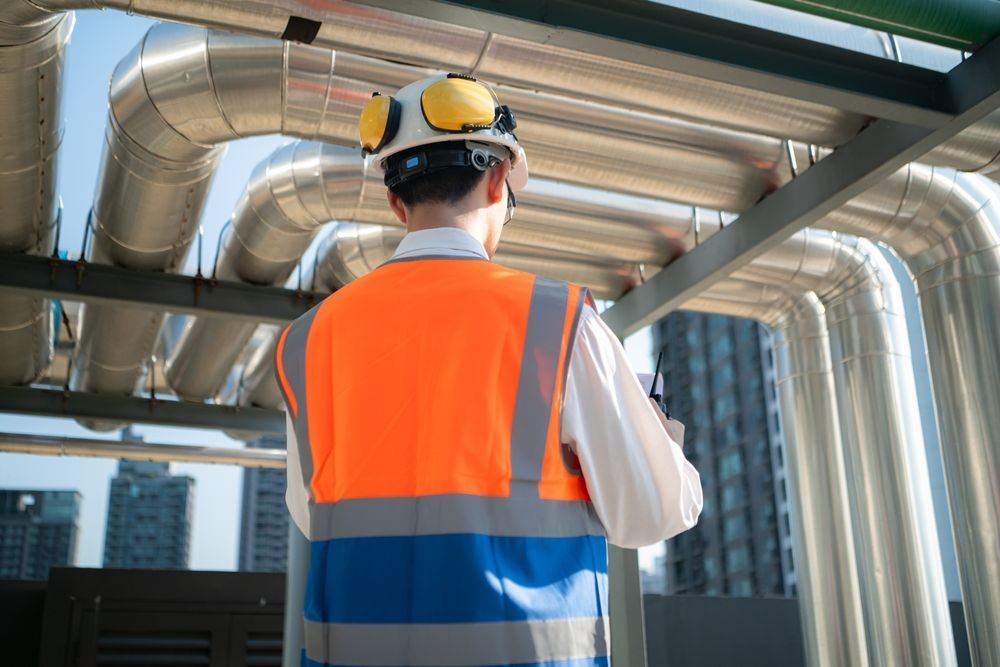
Efficient Hygiene Services is a locally based HVAC cleaning and compliance business serving commercial properties across Brisbane, the Gold Coast, and surrounding SEQ regions. We hold all required licences and certifications for HVAC cleaning and inspection work in Queensland, and our team is fully insured with public liability coverage. We work regularly with strata managers, facilities managers, and building owners across a wide range of commercial property types including office buildings, shopping centres, aged care facilities, hotels, and industrial premises.
Our clients choose us because we understand the regulatory environment they operate in. We do not just clean ducts and coils and leave. We provide documented, audit-ready compliance records that stand up to scrutiny from building certifiers, insurers, and regulatory authorities. When you engage us, you are working with a specialist team that knows Australian Standards, understands your obligations under the NCC, and can identify risks before they become liabilities.
If you would like to speak with us about your building's current HVAC compliance status,
call us today or request a free compliance assessment.
Understanding HVAC Compliance Fundamentals
HVAC compliance represents the full set of legal and technical requirements that ensure your air conditioning, ventilation, and heating systems operate safely, efficiently, and with minimal environmental impact. For facilities managers and building managers in Brisbane and the Gold Coast, understanding these fundamentals is not optional. It is essential for protecting your investment, your building's occupants, and your organisation's legal standing.
Non-compliance with HVAC standards can lead to fines, legal prosecution, and invalidation of building insurance. Getting across the fundamentals of HVAC compliance and audits early means you are far better positioned when regulatory changes come into effect or an inspection is called.
National Construction Code (NCC) Framework
The National Construction Code (NCC) is the primary regulatory framework governing building practices in Australia, including all HVAC systems. It sets baseline requirements that every HVAC installation must meet, regardless of location within Australia.
The NCC includes specific energy efficiency requirements that HVAC systems must satisfy to comply with safety, health, and sustainability standards. Section J of the NCC addresses energy efficiency directly, prescribing both Deemed-to-Satisfy (DTS) and Performance Solution pathways for compliance. Meeting Section J requirements typically involves modelling to verify energy efficiency across your building's systems.
Under NCC 2025, published in February 2026 with adoption beginning in May 2026 across many states, we are seeing significantly tighter energy caps. For commercial buildings, allowable energy consumption has been reduced by up to 50% compared to NCC 2022 requirements. The NCC 2025 update also includes mandatory condensation management provisions for specific climate zones, adding another layer of technical compliance for facilities managers to address.
For building managers in South East Queensland, understanding which version of the NCC applies to your project is a critical first step in any HVAC compliance audit.
Our team is across the NCC 2025 updates and can advise you on how the changes affect your specific building and systems.
Australian Standards for HVAC Systems
Compliance with Australian Standards (AS) is foundational to any HVAC installation. These standards provide the detailed specifications and guidelines that ensure safety, performance, and air quality across commercial and residential buildings.
The AS 1668 series is the cornerstone of Australian HVAC compliance practice, setting minimum ventilation standards to maintain healthy indoor air quality:
- AS 1668.1 covers fire and smoke control through mechanical ventilation systems
- AS 1668.2 addresses ventilation design for indoor air quality, defining fresh air rates, exhaust requirements, and outdoor airflow specifications
- AS 1668.2:2024 reflects advances in technology and modern air quality practice, with clearer guidelines that improve energy efficiency in HVAC systems
Additional standards relevant to HVAC compliance and audits in Queensland include:
- AS/NZS 3823 covering air conditioner performance under MEPS
- AS 4254 governing ductwork specifications for both flexible and rigid ductwork installations
- AS/NZS 60335.2.40 specifying safety requirements for electrical heat pumps, air conditioners, and dehumidifiers
Understanding how these standards interconnect is essential for facilities managers overseeing complex commercial buildings. Qualified and licensed installers play a critical role in ensuring every system meets these requirements from day one.

The Critical Link Between HVAC Cleaning and Compliance
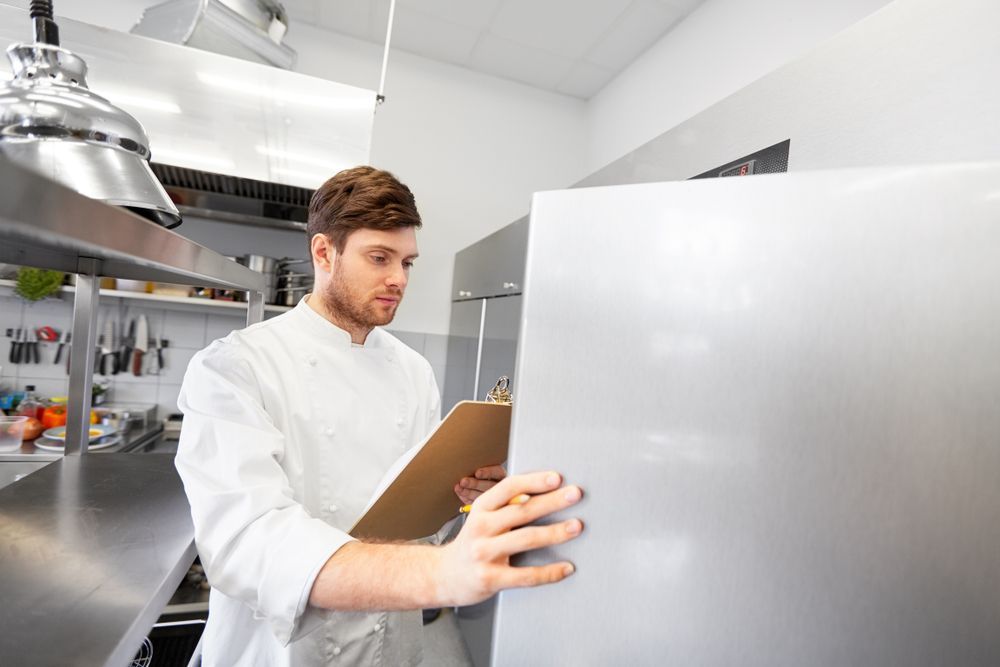
One aspect that is frequently overlooked in compliance planning is that a clean HVAC system is a compliant HVAC system. Contaminated ductwork, dirty coils, and blocked air handling units are not just maintenance issues. They directly impact your ability to meet ventilation rates under AS 1668.2, create Legionella risk under AS 3666, and can constitute a failure during a formal compliance inspection.
At Efficient Hygiene Services, our HVAC cleaning services are specifically designed to support compliance outcomes for commercial buildings across Brisbane and the Gold Coast. Our work includes:
- Duct cleaning and hygiene inspections to ensure internal surfaces are free from dust, mould, and microbial contamination that compromise air quality and ventilation performance
- Coil cleaning and air handling unit servicing to restore system efficiency and prevent contamination migration through the building
- Pre-audit cleaning and documentation to prepare your systems for a formal compliance inspection or audit
- Post-remediation verification including photographic and written records suitable for insurance and regulatory purposes
Facilities managers responsible for buildings in Brisbane CBD, the Gold Coast, Ipswich, Logan, and across the broader SEQ corridor rely on us to ensure their systems pass inspection. Whether you manage a single commercial office building or a portfolio of strata-titled properties, we can tailor a cleaning and compliance programme to match your obligations and your budget.
If your HVAC systems have not been professionally cleaned and documented in the last 12 months, there is a strong chance you are already exposed.
Contact us for a no-obligation assessment.
Benefits of HVAC Compliance
Compliance with HVAC regulations delivers significant advantages for building owners, facilities managers, and occupants alike. By ensuring your systems meet all relevant standards, you protect occupant safety and comfort, reduce your legal and financial exposure, and maximise the efficiency and lifespan of your investment.
A compliant building is also a more attractive asset. Tenants and their occupational health advisors increasingly scrutinise indoor air quality and environmental performance. Buildings with documented HVAC compliance and regular professional maintenance records are better positioned to attract and retain quality commercial tenants across the Brisbane and Gold Coast markets.
Key HVAC Compliance Requirements
Building on that regulatory framework, let us look at the specific technical requirements every HVAC system in a commercial or residential building must satisfy. These requirements cover installation safety, energy efficiency, and environmental protection, and each carries mandatory obligations for building managers and their contractors.
Installation and Safety Standards
Air conditioning installation regulations in Australia mandate that only licensed professionals carry out installations. Anyone handling regulated refrigerants must hold a valid Refrigerant Handling Licence (ARCtick), issued by the Australian Refrigeration Council under the Ozone Protection and Synthetic Greenhouse Gas Management Act 1989.
Depending on your location and the type of system involved, building, plumbing, or electrical permits may all be required. All electrical work connected to HVAC systems must comply with AS/NZS 3000 Wiring Rules, covering proper earthing, protective device sizing, and verification testing.
Systems must also be correctly sized using professional heat load calculations. Ductwork must meet AS 4254 standards for sealing, insulation, and airflow resistance. Where fire and smoke control systems are involved, AS 1851 governs the routine servicing of fire protection systems including air handling units.
For facilities managers in Brisbane and the Gold Coast, non-compliant installation discovered during an audit or inspection can trigger remediation orders, project delays, and insurance complications. Investing in compliant, licensed installation from the outset is far more cost-effective than addressing deficiencies after the fact.
Energy Efficiency Compliance
Minimum Energy Performance Standards (MEPS) set the maximum energy a product can consume, establishing baseline efficiency requirements for air conditioners and heat pumps sold and installed in Australia.
The Zoned Energy Rating Label (ZERL) requires air conditioners to display efficiency ratings across three climate zones, which is particularly relevant for facilities managers in South East Queensland managing buildings across varying environments.
Commercial buildings must meet strict energy efficiency benchmarks under NABERS and satisfy indoor environmental quality standards to achieve relevant certifications. Compliant HVAC systems can account for up to 50% of total building energy use, meaning efficiency compliance directly reduces ongoing operational costs and energy bills.
Australian energy efficiency requirements continue to tighten through NCC updates, making proactive compliance planning a smart investment for any building manager.
Environmental and Noise Regulations
The transition to low Global Warming Potential (GWP) refrigerants is now well underway. The AIM Act mandates an 85% phase-down of Hydrofluorocarbons (HFCs) by 2036, with strict annual production quotas driving this change. From 1 January 2026, regulations restrict the installation of new systems using high-GWP refrigerants like R-410A.
A2L refrigerants are classified as mildly flammable and require specialised training for technicians. Facilities managers need to verify that their contracted service providers hold the appropriate credentials and are across the current refrigerant transition requirements.
Air conditioners must also comply with the
Environment Protection Regulations 2019 to minimise noise pollution. Installations that produce excessive noise can violate local noise bylaws and create significant issues for building managers, particularly in mixed-use or densely populated areas of Brisbane and the Gold Coast. Monitoring and managing noise levels is a compliance requirement as well as a practical obligation to building occupants and neighbouring properties.
Common Compliance Challenges and Solutions
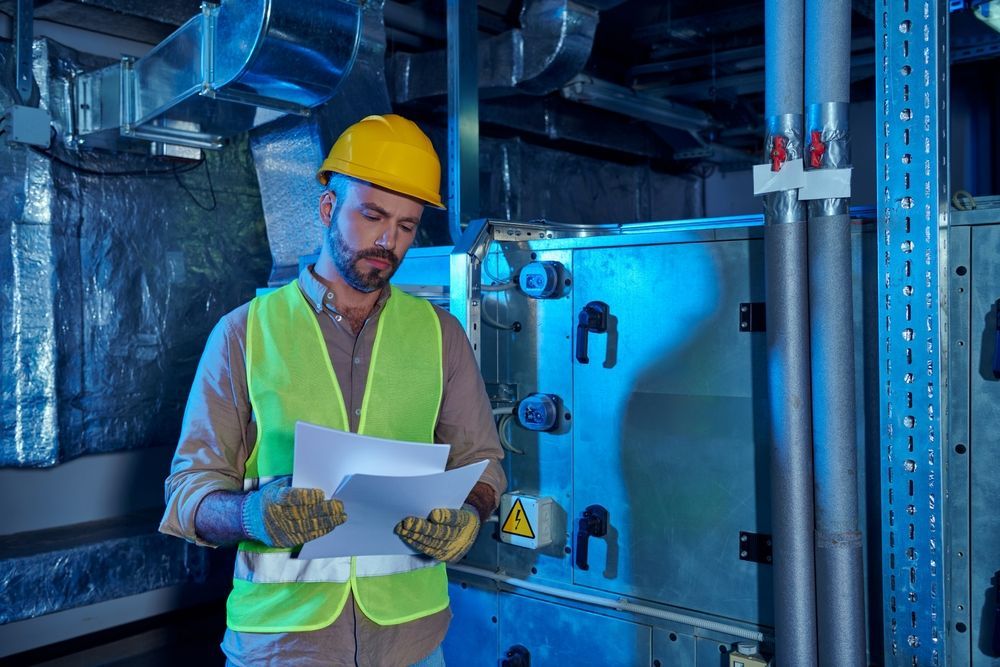
Even with careful planning, compliance issues arise. Here are the most common challenges we encounter at Efficient Hygiene Services, along with practical guidance on how to resolve them.
Many commercial buildings across Brisbane and the Gold Coast operate with incomplete or outdated documentation that no longer reflects current installations or current standards. As regulations evolve with NCC 2025 energy caps and refrigerant phase-downs accelerating, older documentation becomes increasingly problematic during audits and inspections.
Solution: Conduct a comprehensive HVAC system audit documenting current capacity, airflow rates, fan power, insulation condition, control systems, and refrigerant types. Update as-built drawings and component labels. Implement a digital documentation system to keep records accurate and accessible. Where components fall short of current standards, develop a prioritised upgrade plan to ensure compliance and improve indoor air quality. Our team can assist with this process from start to finish, delivering audit-ready documentation that meets current Queensland requirements.
Discovering undersized ductwork, improper sealing, refrigerant leaks, or unlicensed work during a compliance inspection triggers remediation orders and project delays. Commercial office buildings may fail to meet AS 1668.2 ventilation requirements due to undersized ductwork, while residential complexes can face non-compliance for improper sealing that affects fresh air rates.
Solution: Immediately isolate any unsafe or non-compliant components to ensure occupant safety. Engage licensed professionals to assess and remediate the issues, which may involve replacing or resizing ductwork, sealing and insulating supply and return pathways, properly recovering refrigerants, or having electrical work formally certified. Request a re-inspection once remediation is complete. Verify that your corrected installation meets the minimum ventilation rates set out in AS 1668.2 for commercial buildings. At
Efficient Hygiene Services, we regularly assist Brisbane and Gold Coast facilities managers through exactly this process, providing both the remediation work and the documentation needed for re-inspection.
Building managers frequently neglect routine inspections, fire safety servicing, filter changes, and control calibration. Over time, this degrades indoor air quality, system efficiency, and safety compliance, and it creates significant risk during formal audits.
Solution: Develop a written maintenance plan with clear responsibilities and schedules. Contract with qualified service providers for regular access and maintenance. Maintain detailed logs documenting dates, tasks performed, and any findings. For buildings in Queensland, note that AS 1851-2012 fire safety servicing became mandatory from 13 February 2026, requiring that fire protection systems including air handling systems for smoke control are properly serviced and documented. Proactive compliance management is always less costly than reactive remediation. We offer ongoing maintenance programmes for facilities managers across Brisbane and the Gold Coast, providing scheduled servicing, full documentation, and a single point of accountability for your HVAC compliance obligations.

HVAC Compliance Implementation Process
Understanding the requirements is one thing. Implementing them systematically is another. At
Efficient Hygiene Services, we guide our clients through a structured compliance process that ensures nothing is missed and that your HVAC systems remain current with evolving regulations and audit requirements.
Step-by-Step Compliance Procedure
HVAC compliance assessments are required at the design and construction stage, during equipment installation, at commissioning, periodically throughout operations, and whenever systems are modified or upgraded. Here is how a compliant process should be structured:
- Initial assessment: Determine building classification, climate zone, and project scope. Evaluate the physical space to confirm the HVAC system is appropriately sized. Identify the applicable NCC version and all relevant Australian Standards for your specific requirements.
- Permit applications: Secure all necessary building, plumbing, and electrical permits. Verify contractor licensing, with particular attention to ARCtick certification for anyone handling refrigerants.
- Licensed installation: Ensure all work is carried out by licensed professionals with the appropriate credentials. This includes refrigerant handling, electrical connections, and any plumbing work involved.
- Inspection requirements: Submit installations for review by building surveyors or certifiers. Commissioning tests confirm that system performance matches design specifications.
- Certification: Compliance certificates must be issued for work exceeding specified values and lodged with the appropriate authority in relevant states. Maintain as-built documentation and air handling system records.
- Ongoing maintenance scheduling: Establish maintenance protocols aligned with relevant standards. Mandatory maintenance for cooling towers is required under AS 3666 to manage Legionella risks. Proper ventilation also ensures the removal of viral particles and pollutants, and fire safety systems must be maintained to prevent smoke spread during emergencies.
Compliance Verification Methods
Choosing the right verification approach depends on project complexity, risk profile, and regulatory requirements. The table below summarises the key options:
| Criterion | Self-Assessment | Professional Audit | Regulatory Inspection |
|---|---|---|---|
| Cost | Low | Medium to High | Unpredictable if failure occurs |
| Thoroughness | Basic checks may miss edge issues | Deep verification including modelling | Very thorough |
| Legal Validity | Limited protection | Strong and supports Performance Solutions | Highest and legal enforcement |
| Timeframe | Fast | Moderate | Can delay projects |
For straightforward residential installations using DTS provisions, self-assessment may be sufficient. However, commercial buildings, Performance Solution pathways, or systems with significant public health implications warrant a professional audit. The higher the stakes in terms of building size, environmental risk, or regulatory scrutiny, the more we recommend investing in a thorough, independent HVAC compliance audit.
Our team at
Efficient Hygiene Services can conduct professional HVAC compliance audits for commercial buildings across Brisbane and the Gold Coast, providing you with a detailed report you can rely on.
Legionella Risk and Cooling Tower Compliance
For building managers responsible for commercial properties with cooling towers, evaporative condensers, or warm water systems, Legionella management is one of the most serious compliance obligations you face. The bacteria responsible for Legionnaires' disease can proliferate rapidly in poorly maintained water systems, and the consequences of an outbreak are severe, covering both public health impacts and significant legal liability.
In Queensland, cooling tower water management is governed by the Public Health Act 2005 and the Public Health (Cooling Tower Water Management) Standard 2020. AS 3666.1 and AS 3666.2 set the technical benchmarks for the design, installation, and maintenance of warm water systems. A compliant water management plan must be in place, maintained, and regularly reviewed by a competent person.
At Efficient Hygiene Services, we work with facilities managers across Brisbane and the Gold Coast to ensure cooling tower and warm water system hygiene is maintained to the required standard. We provide cleaning, disinfection, water testing, and documentation services that keep you compliant and give you a clear audit trail if your systems are ever inspected.
If you manage a building with a cooling tower or warm water system and you are not confident your current maintenance programme meets Queensland requirements,
speak with our team today.

Additional Resources
Australian Standards References:
- AS 1668.1 and AS 1668.2 (Ventilation and air conditioning)
- AS/NZS 3823 (Air conditioner performance standards)
- AS 1851 (Fire protection system maintenance)
- AS 3666 (Legionella risk management)
Regulatory Bodies:
- Australian Building Codes Board (NCC information)
- Australian Refrigeration Council (ARCtick licensing)
- Queensland Department of Health (Cooling tower water management)
- State building authorities for permit applications
Next Steps
HVAC compliance in Australia protects occupants through safe, properly ventilated spaces, reduces liability through documented adherence to building codes and Australian Standards, and ensures systems operate at peak efficiency. For facilities managers and building managers in Brisbane and the Gold Coast, staying compliant requires ongoing attention as regulations continue to evolve, particularly with NCC 2025 adoption under way and refrigerant phase-downs accelerating through to 2036.
We recommend taking these steps now:
- Schedule a compliance assessment with Efficient Hygiene Services to evaluate your current HVAC systems against 2026 requirements
- Review your existing documentation for completeness and accuracy against current standards
- Verify that all contractors hold appropriate licensing, particularly ARCtick certification for refrigerant handling
- Establish or update maintenance schedules in line with AS 1851, AS 3666, and manufacturer requirements
Our Real Customer Reviews
We had our exhaust cleaned by Efficient Hygiene Services, and the experience was absolutely fantastic from start to finish. The team was professional, polite, and incredibly thorough. They arrived on time, explained everything clearly, and left the area spotless. It’s so refreshing to deal with a company that takes real pride in their work. Great clean service — we’ll definitely be using EHS again and highly recommend them to anyone looking for quality and professionalism!
We have been working with Efficient Hygiene Services for years in both our locations for cleaning our exhaust systems. Very professional service, good workmanship which is quite rare these days. They are always on time, prices are reasonable and we always receive photos of before and after. Highly recommended EHS.
The 2 technicians that completed the air conditioning deep cleans at my child care centre were outstanding. We have had many other companies complete our air con cleaning but none are as good as Efficient Hygiene Services.! We won’t trust anyone else. Our air cons are running more efficient and smell amazing.
Our retail business has been using Efficient Hygiene Services for 5 years. The service and quality of work is always outstanding. I highly recommend using their services. If you own a restaurant wanting your exhaust duct cleaned regularly or if you have air conditioning ducts that need cleaning for better air quality.
FAQs about HVAC Compliance & Audits
How often does my commercial building's HVAC system need to be professionally cleaned?
For most commercial buildings, a full duct and air handling unit clean is recommended annually, with filter changes and general servicing on a more frequent schedule depending on the building's use and occupancy levels. Buildings in high-use environments such as aged care, healthcare, hospitality, and food production may require more frequent attention. We can assess your building and recommend a schedule that keeps you compliant and your systems performing well.
What happens if my building fails an HVAC compliance inspection?
A failed inspection typically results in a remediation order requiring you to address the non-compliant elements before a re-inspection is conducted. Depending on the severity of the deficiency, you may also face fines, restrictions on building occupancy, or complications with your building's insurance coverage. Acting on compliance issues proactively is always a better outcome than addressing them under regulatory pressure.
Does HVAC cleaning count as a maintenance activity under Australian Standards?
Professional cleaning of ductwork, coils, and air handling units is a recognised maintenance activity that supports compliance with AS 1668.2 (ventilation performance), AS 3666 (Legionella risk management), and AS 1851 (fire safety servicing for air handling systems). Documented cleaning records are important evidence during any compliance audit or insurance claim.
Can Efficient Hygiene Services provide documentation for insurance and audit purposes?
Absolutely. Every cleaning and compliance engagement we undertake includes detailed written reporting, photographic evidence, and records of work performed. Our documentation is structured to meet the requirements of building certifiers, insurers, and regulatory inspectors.
What areas of Brisbane and the Gold Coast do you service?
We service the full Greater Brisbane and Gold Coast metropolitan area, including the CBD, inner suburbs, northside and southside corridors, Ipswich, Logan, the Redlands, and the entire Gold Coast from Coolangatta to Coomera. If you are unsure whether we cover your location, give us a call and we will confirm.