What Is an HVAC Hygiene Audit? What Facilities Managers Should Know
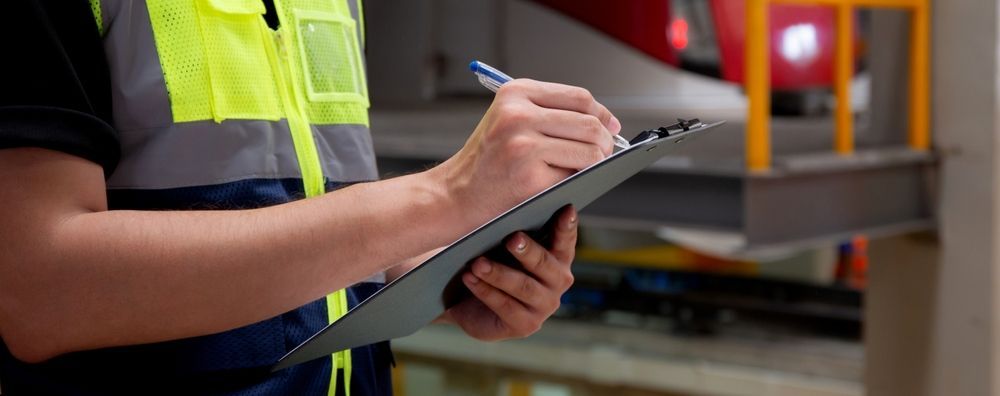
An HVAC hygiene audit is a structured inspection of how clean, dry and well maintained a building's air conditioning and ventilation system is on the inside, with the findings documented in a report you can act on. At Efficient Hygiene Services, we carry out HVAC hygiene inspections for facilities managers, building owners and government agencies across Brisbane, the Gold Coast and South East Queensland, and this guide explains what an audit involves, what gets inspected, what the report contains and how to prepare your site.
Key Takeaways
- An HVAC hygiene audit evaluates the cleanliness, condition and microbial risk of air handling units, ductwork, coils, drain pans and filters.
- Facilities managers use hygiene audits to uncover hidden contamination, moisture problems and airflow restrictions before they turn into complaints or breakdowns.
- The outcome is evidence: findings, risk priorities and corrective actions that support compliance, budgeting and asset planning.
- Efficient Hygiene Services uses video scope inspection, before-and-after images and air quality data to produce audit-ready documentation.
Introduction: Why HVAC Hygiene Audits Matter for Modern Facilities
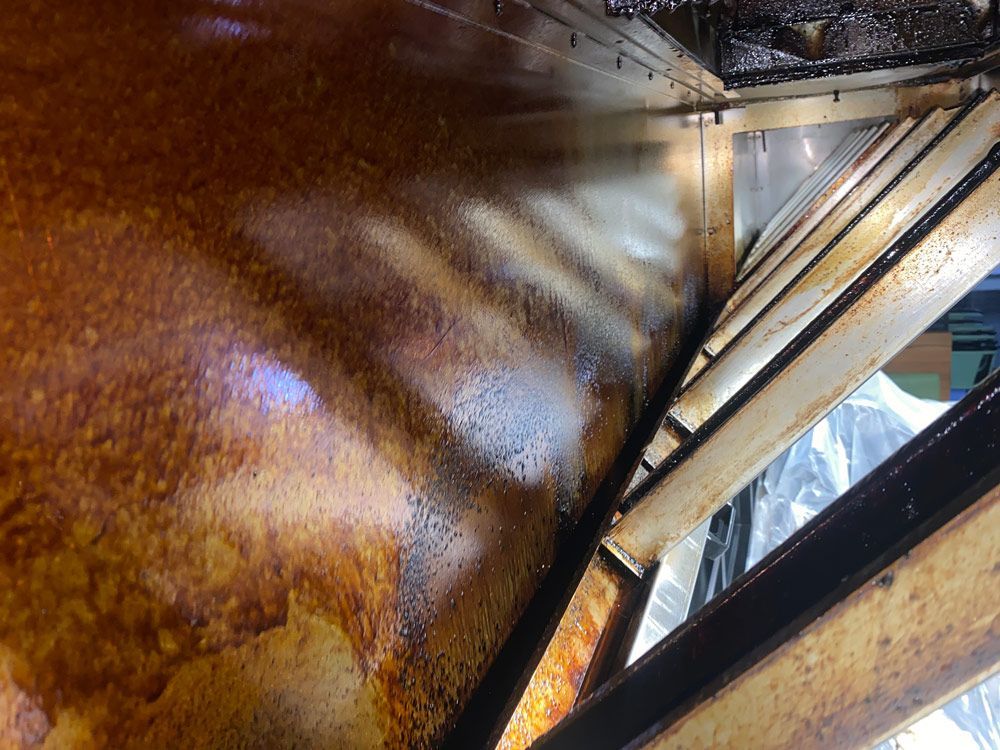
HVAC hygiene audits matter because the problems that affect air quality and running costs build up inside the system, where routine maintenance rarely looks. At Efficient Hygiene Services, we regularly inspect commercial buildings, schools, healthcare sites and government facilities around Brisbane and the Gold Coast where the air conditioning runs well mechanically, yet dust, microbial growth and moisture have accumulated unseen in ductwork, coils and ceiling spaces.
Most maintenance contracts cover filters, belts and breakdown repairs. That keeps the plant running, but it doesn't tell you whether contamination is building up inside. Facilities managers often only find out after occupant complaints, odours or an equipment failure. A hygiene audit closes that gap by putting eyes, cameras and, where needed, sampling inside the system on a planned basis.
What Is an HVAC Hygiene Audit? (And How Is It Different to Routine Maintenance?)
An HVAC hygiene audit is an evidence-based condition assessment of the cleanliness, microbial risk and physical condition of an HVAC system, not a tune-up or repair visit. At Efficient Hygiene Services, our audits look at the entire air path, from the outside air intake through the air handling unit and ductwork to the supply grilles, and ask a simple question: is this system clean, dry and delivering air as it should?
Routine preventive maintenance keeps equipment running. A hygiene audit checks whether that maintenance is actually keeping the system clean. It typically combines:
- Visual and video scope inspection of air handling units and ductwork
- A review of maintenance records and operating history
- Checks against the cleanliness and microbial control expectations of AS/NZS 3666
- Identification of moisture, contamination and airflow issues, with their likely effect on indoor air quality
For a detailed overview of the regulatory side, including how hygiene fits with Australian Standards, see our HVAC compliance and audits service page.
What Does an HVAC Hygiene Auditor Actually Inspect?
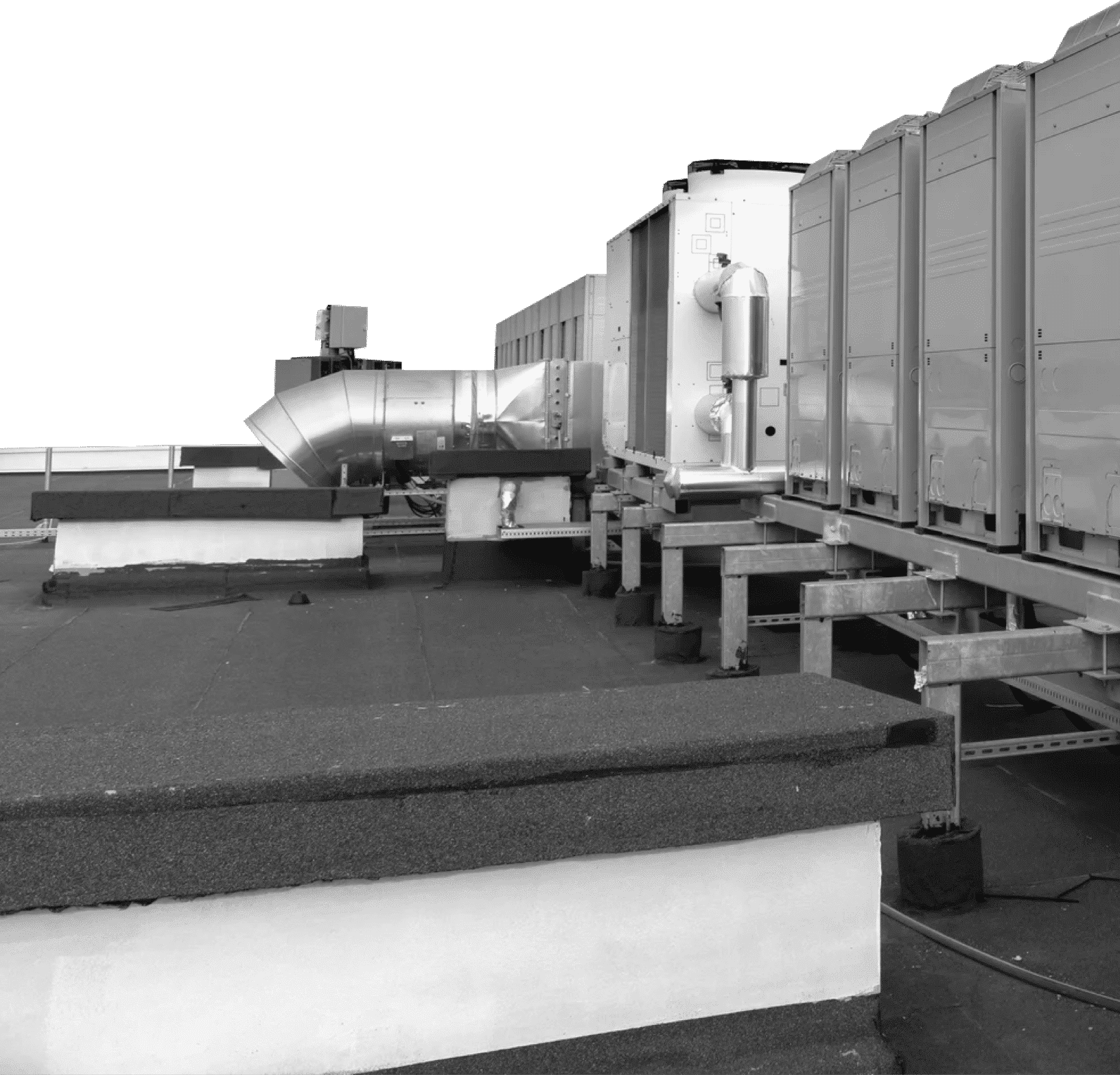
An HVAC hygiene auditor inspects every component in the air path where dust, moisture and microbial growth can build up. When Efficient Hygiene Services audits a commercial site in Brisbane, on the Gold Coast or elsewhere in South East Queensland, the scope typically covers:
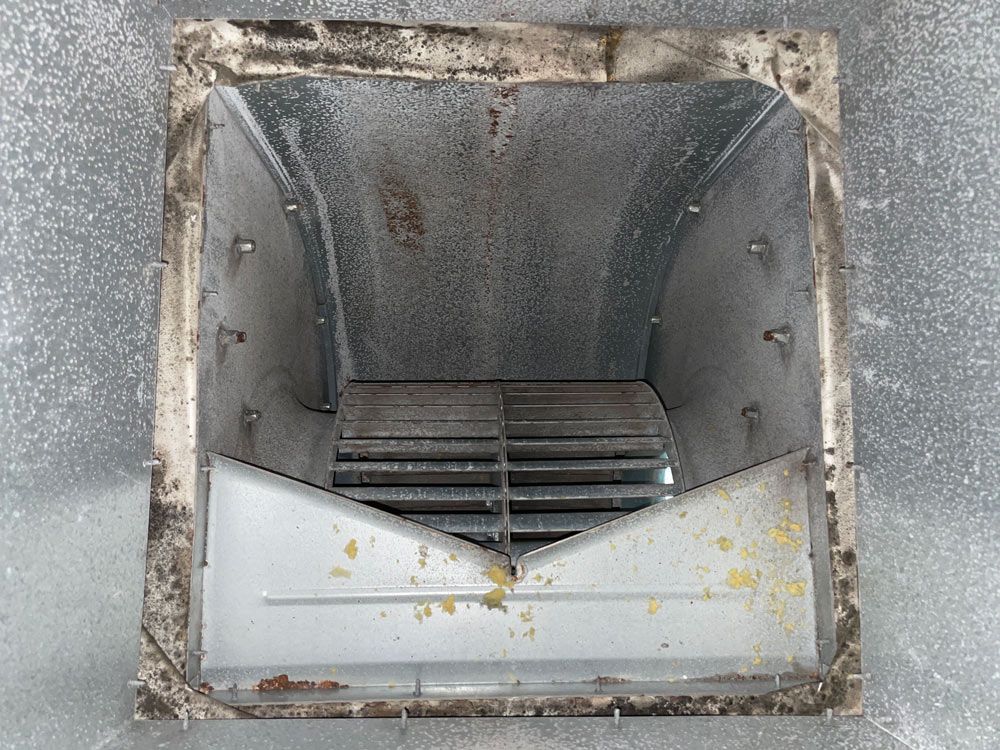
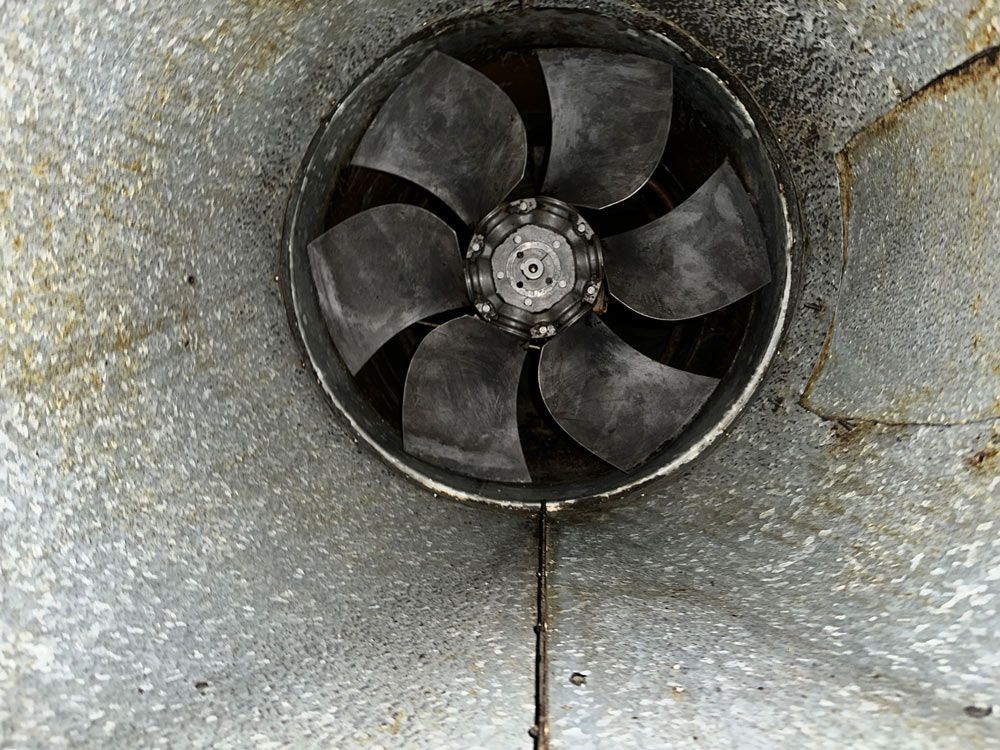
- Air handling units: casing condition, fan assemblies, blower motors and internal cleanliness.
- Coils and drain pans: evaporator and condenser coil condition, standing water in drain pans, and condensate line function. Standing water is a classic driver of microbial growth.
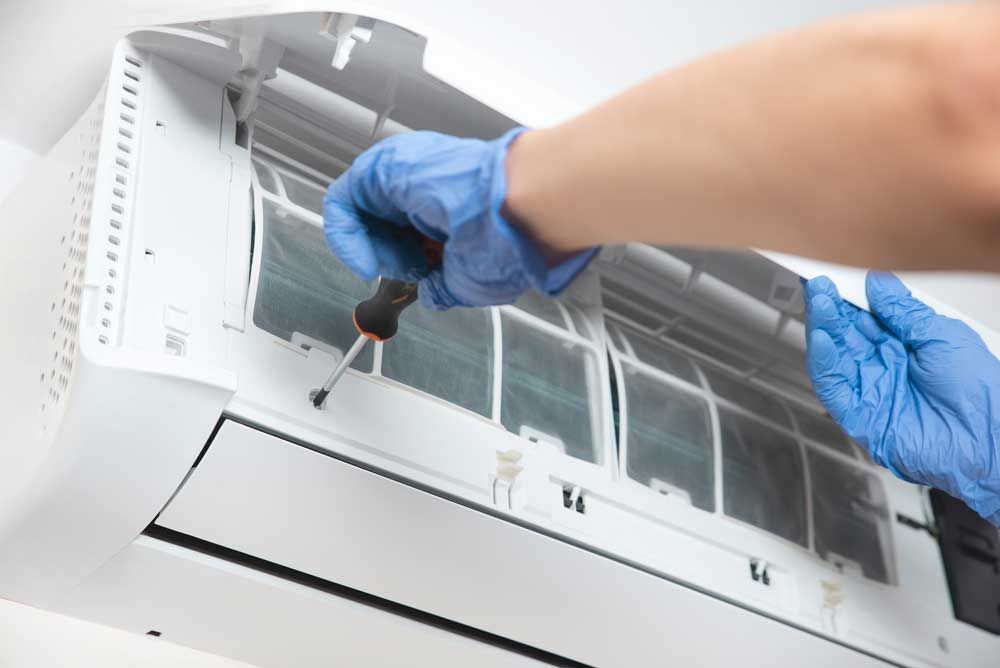
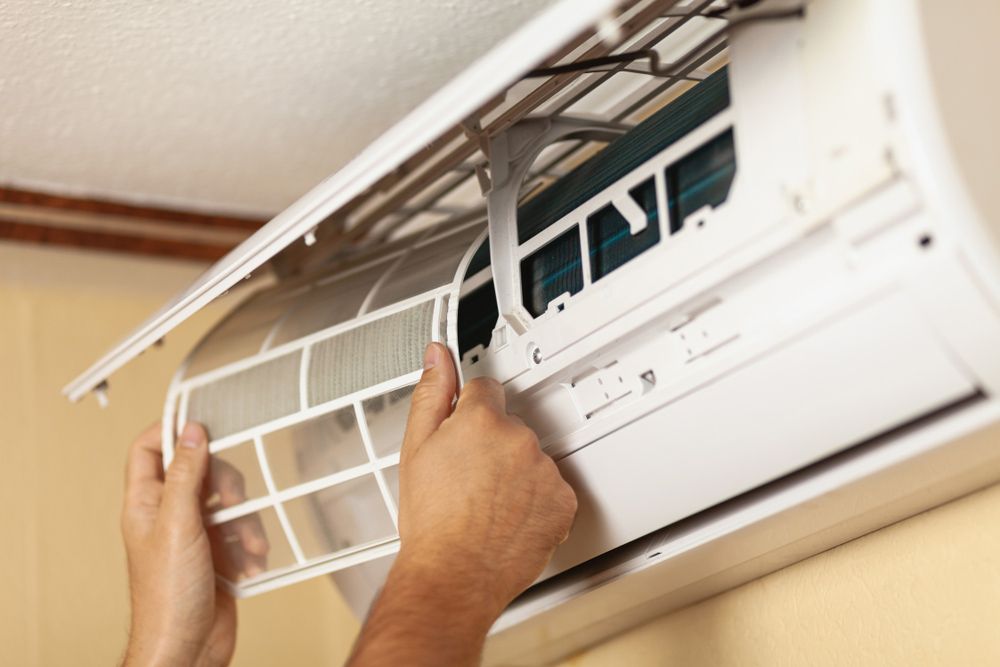
- Filters: type, condition, fit and whether air is bypassing the filter rack.
- Ductwork: supply, return and exhaust ducts checked for dust, debris, microbial growth, insulation damage, leaks and corrosion.
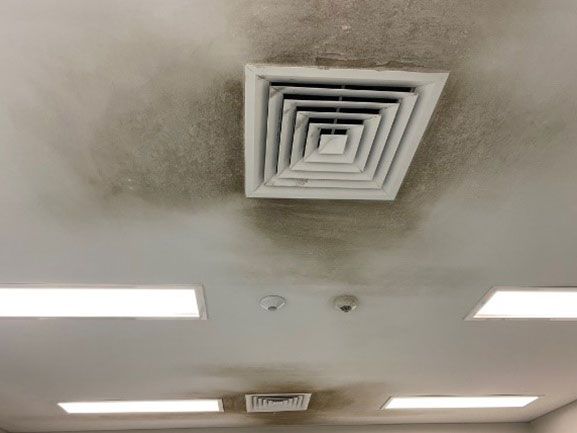
- Outside air intakes, grilles and diffusers: cleanliness, obstructions and proximity to pollution sources.
- Ceiling cavities and plenums: dust build-up, moisture and water ingress.
We use video scopes, high-powered lights and photographic documentation to see deep inside ductwork that can't be physically accessed. Where microbial risk warrants it, standard, microbiological and advanced indoor air quality tests can be added. Every finding is photographed and fed into risk ratings and remediation planning. If you're curious about what typically turns up, our article on common contaminants found in dirty HVAC systems is a useful companion read.
How HVAC Hygiene Audits Link to Energy Efficiency and Hidden Energy Losses
HVAC hygiene audits uncover energy losses because dirty coils, blocked filters and fouled ducts all make a system work harder to deliver the same comfort. At Efficient Hygiene Services, we often find these restrictions in buildings where power bills have crept up with no change in occupancy or settings.
- Clogged filters and fouled ducts increase resistance, so fans have to push harder to move air.
- Dust and biofilm on coils reduce heat transfer, making the system run longer to reach set points.
- Restricted or unbalanced airflow creates hot and cold spots, and building controls compensate by extending run times.
- Extra strain on motors and components shortens equipment life and raises the risk of breakdowns.
None of this is visible from a quick plant room walk-through. A hygiene audit flags the fouled components early, so cleaning can be targeted where it delivers the biggest gains in airflow, temperature consistency and running costs. Our article on why regular HVAC cleaning is key to preventing breakdowns explores that link further.
What's Included in an HVAC Hygiene Audit Report?
An HVAC hygiene audit report sets out what was inspected, what was found, how serious it is and what should happen next, in a format both technical and non-technical stakeholders can use. Efficient Hygiene Services reports typically include:
- Executive summary: key findings, risk ratings and priorities
- System description: the HVAC systems inspected, their locations and zones
- Methodology: visual inspection, video scope and any sampling or testing carried out
- Findings by zone: cleanliness, condition, moisture, microbial indicators and physical damage
- Risk ratings: hygiene and operational risks ranked by severity
- Corrective actions: cleaning, component repairs, filter changes and schedule adjustments
- Photographic evidence: images and video scope screenshots supporting each finding, plus air quality data where relevant
Documented findings make it far easier to plan maintenance and capital works, brief executives and safety committees, and justify spend to procurement teams. Once corrective work is complete, a follow-up inspection with before-and-after images verifies it's been done.
How Facility Managers Can Prepare for an HVAC Hygiene Audit
Good preparation makes an HVAC hygiene audit faster, less disruptive and more accurate. Before Efficient Hygiene Services attends a site in Brisbane, on the Gold Coast or across South East Queensland, we suggest facilities managers:
- Collate maintenance records, including dates of the last coil clean, duct clean, filter change and any water damage events.
- Gather mechanical services drawings or HVAC schematics if they're available.
- Note recent complaints about odours, stuffiness, mould smells or temperature issues, by zone and date, so we can target problem areas.
- Arrange access to plant rooms, roof spaces, ceiling voids and tenancies, including keys, security clearances and safe access.
- Brief onsite contractors and confirm any permit or induction requirements.
- Clear access around vents, return air grilles and indoor units.
We can schedule audits after hours or on weekends to reduce the impact on your operations.
From Audit Findings to Corrective Actions and Cost Savings
An HVAC hygiene audit delivers value when its findings turn into targeted action. At Efficient Hygiene Services, typical follow-ups for commercial clients in Brisbane and the Gold Coast include duct cleaning, coil cleaning, drain pan and condensate repairs, filter upgrades, mould remediation where needed, and revised maintenance schedules.
- Prioritise high-risk items first. Fixing the components with the biggest hygiene or airflow impact delivers early wins without a full system overhaul.
- Budget with evidence. A clear report gives you the documentation to justify spend to leadership and plan works across financial years.
- Verify the result. A follow-up inspection confirms corrective actions have been completed and gives you a new baseline.
- Repeat on a planned cycle. Regular audits track asset condition over time and keep your building audit-ready.
Why Work with Efficient Hygiene Services for HVAC Hygiene Audits
Efficient Hygiene Services brings 10+ years of experience in HVAC hygiene to government, education, healthcare and commercial facilities across the Gold Coast, Brisbane and South East Queensland. Every service is directly undertaken or supervised by a member of the National Air Duct Cleaners Association (NADCA), an Air Systems Cleaning Specialist (ASCS) and a Ventilation Systems Mould Remediator (VSMR), and all work is carried out in line with AS/NZS 3666.
Every job includes photographic evidence and air quality data, with video scope inspection used to document internal conditions, giving facilities managers, building managers and government agencies the records they need for compliance and asset management.
Call Efficient Hygiene Services on 1300 222 357 to discuss an upcoming audit, plan inspections across multiple assets, or fold hygiene audits into your wider HVAC maintenance programme.
Frequently Asked Questions About HVAC Hygiene Audits
How often should a commercial building schedule an HVAC hygiene audit?
It depends on the building's use, risk profile and environment. Healthcare, aged care, childcare and education facilities generally warrant closer attention than a standard office, and humid or coastal sites can need more frequent checks. Efficient Hygiene Services can assess your system and recommend a tailored inspection schedule, with reminders so audits aren't missed.
Does an HVAC hygiene audit interrupt normal building operations?
Very little, when it's planned. Visual inspections, AHU access and video scoping can usually be scheduled around critical hours, and we offer after-hours and weekend work. Some ceiling access or short-term area isolation may be needed, which we plan with your facilities team in advance.
Is an HVAC hygiene audit the same as an indoor air quality test?
No. A hygiene audit focuses on the condition and cleanliness of the HVAC system's components, while an indoor air quality test measures the air occupants are breathing. The two are closely related, because poor HVAC hygiene often contributes to poor air quality. Our article on the benefits of regular air quality testing for businesses explains the testing side in more detail.
Will an HVAC hygiene audit reduce my energy bills straight away?
The audit itself identifies the problems; savings come once corrective actions such as coil cleaning or duct cleaning are completed. Clearing blockages and built-up contaminants helps the system move air more efficiently, which supports better cooling performance and lower energy use.
What information should I provide to the auditor before they attend site?
Share floor plans or HVAC schematics, maintenance logs, recent complaint records and any previous hygiene or air quality reports, and highlight critical spaces such as server rooms, treatment rooms or high-occupancy areas. Call Efficient Hygiene Services on 1300 222 357 and we'll tell you exactly what we need before we arrive on site.